
Lobuche Peak in the Nepal Khumbu is reputed to be one of the best trekking peaks in the industry. At its elevation of 6,119 meters, it offers to climbers a spectacular mix of running ( trail ), adventure line with panoramic views, and high altitude technical mountaineering. But the choice of Lobuche East or Lobuche West can be hard; there are different challenges and rewards for each. We'll be covering the contrasts here and assisting you in choosing your next Himalayan escapades.
Overview of Lobuche Peak
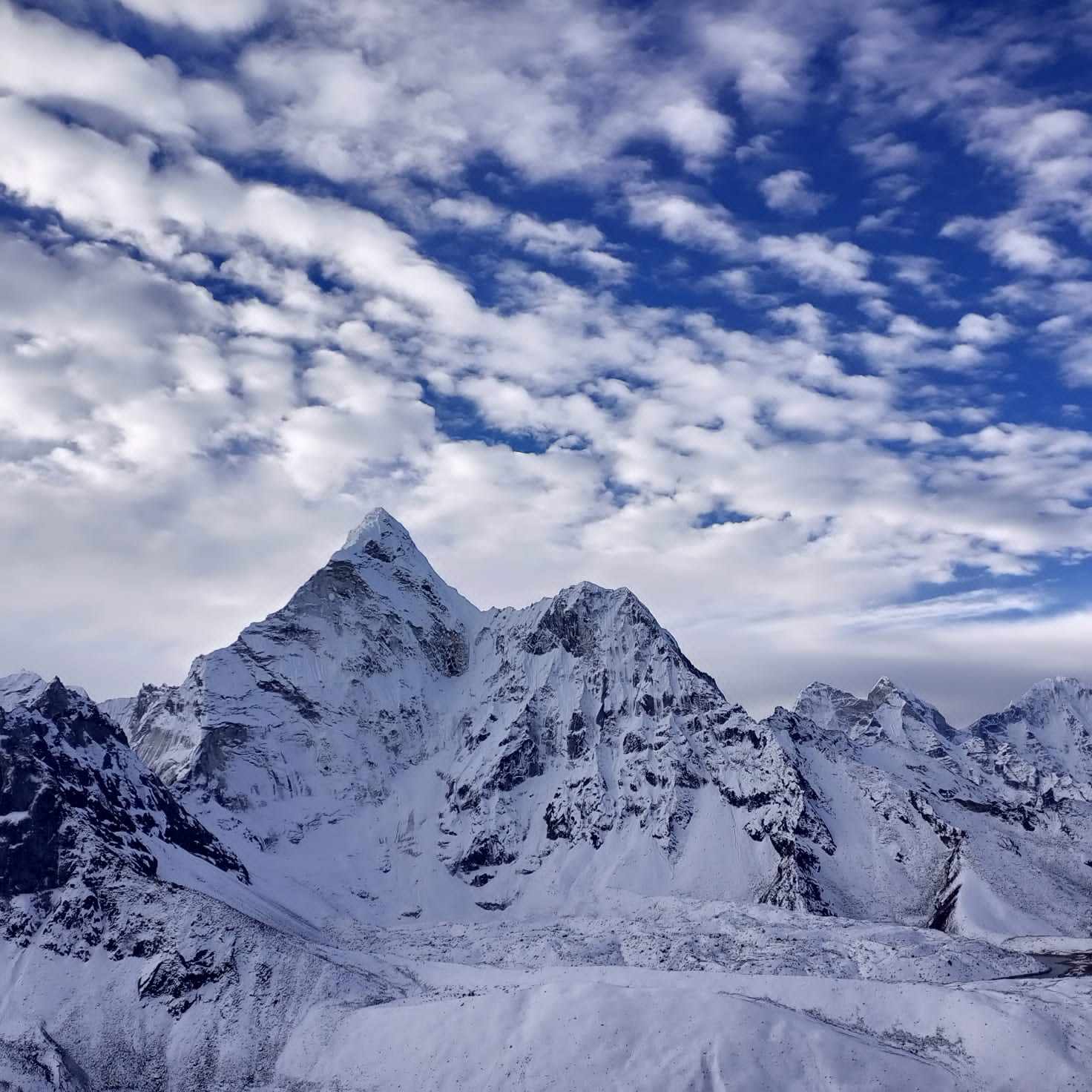
Before we move into discussing the comparison, let’s consider what makes Lobuche Peak stand out. Mistakenly taken as a single mountain, Lobuche Peak consists of two peaks, Lobuche East and Lobuche West. Lobuche East is seen as more of a ‘touring’ summit with less-technical climbers sightseeing down the slope to its top; in contrast, Lobuche West is only slightly harder, being for serious alpinists aiming for a real technical climb. The views of Mt Everest, Nuptse, and other mountains from both summits are superb, so these two are the best choices if you want to combine trekking with alpine climbing.
Accessibility and Approach
Starting, one of the first Lobuche East vs West differences is how they can be accessed. Lobuche Peak can be ascended from the classic trail of the Everest Base Camp trek. Hikers will stop by Namche Bazaar, Tengboche, and Dingboche, making their way to Lobuche Village, where they acclimatize for the dual treks. The heights of the technical climbing section are just slightly less than those of Lobuche East; it’s best for those mountaineers who like to minimize time on technical climbs. Lobuche West, on the other hand, is a bit steeper and out in the open, so you will need to spend longer acclimatising and more planning for whether they reply to their trade.
Technical Difficulty
It is therefore essential to consider the technical difficulty of each peak. Lobuche East is not much of an objective for those going by any cliché route to the highest point south of the Himalayan plane who have moderate knowledge of how to use Crampons and an Ice Axe and can use safety ropes. The route has snowslopes with a bit of rock scrambling, but generally does not require good technical ability. Laring is, however, an absolute mountaineering peak. It features ice walls, mixed climbing on rock and ice, and exposed ridges. Lobuche West Climbers -Pre-requisite Lobuche West climbers should know about glacier travel, ice climbing, and high altitude. Before selecting your pinnacle, you must consider your technical skills and how much experience you have.
Acclimatization Considerations
Anyone climbing any of the Himalayan peaks needs to acclimatize to altitude. It is less steep, an easier climb,b and helps acclimatize. Most trekkers spend a few more nights at Dingboche or Lobuche Village to acclimatize before attacking the peak. Lobuche West: acclimatization. As you ascend and the climbing becomes more technical, Lobuche West demands a well-planned acclimatization program. Homes of this sort can minimise altitude sickness risk since people might be required to spend a small amount of time acclimatising in order to accomplish their objective. Well-preparedness and following acclimatization schedules can significantly enhance your probability of a successful ascent.
Weather and Best Climbing Season
Of course, the weather is key in choosing the peak. The best climbing season for LaRoche East and Lobuche West is from late March to May and September to mid-November. We also don’t share our cities and towns with snow and storms quite as much during that period of the year, which is more weather-friendly. Lobuche East: Since Lobuche East is on a less exposed face, it can be a little more forgiving of temperamental weather, even though the steep and exposed ridges of Lobuche West can be pretty dangerous in bad weather. Regardless, though,h you have to watch the weather, and be able to change your climbing dates for safety and general success on summit day.
Scenery and Experience
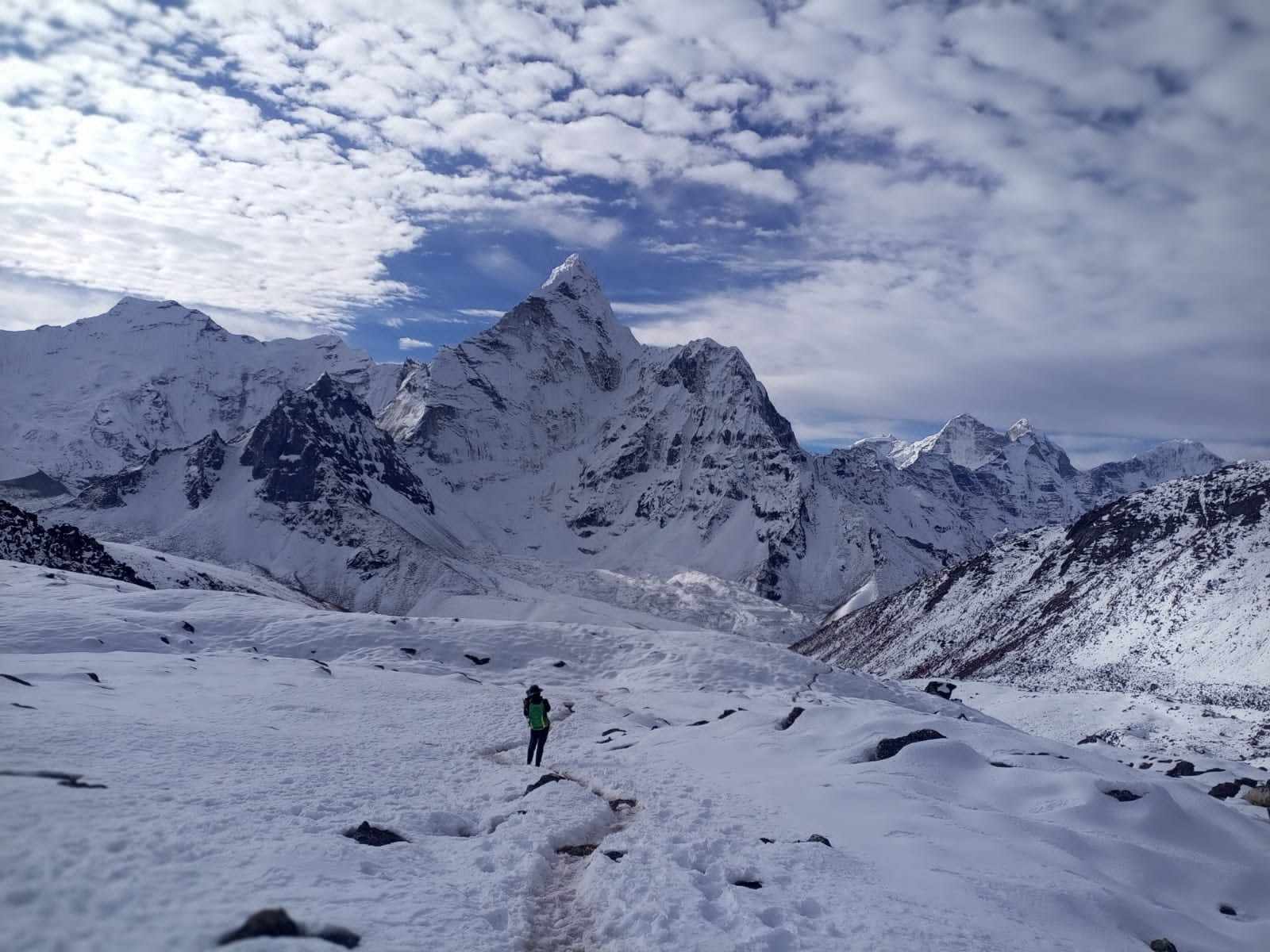
They both have a fantasy view, they’re just two different views. By a little quieter and less risky route, Lobuche East also features incredible views of Everest, Nuptse, and Lhotse, which is ideal for anyone with climbing experience who wants to bag some great adventure photos of the mountains. Photographers and trekkers who desire great views but not at high altitude will usually go to the east side. Lobuche West offers a steeper, more challenging alpine adventure. There is no better reward for climbers’ perseverance and skills; the view from the summit ridge is unrivalled in the Himalayas. Ultimately, the choice between East and West could come down to whether you’re looking for scenic trekking or a technical mountaineering thrill.
Permits and Regulations
A permit for Lobuche Peak climbing is required by the Nepal Mountaineering Association (NMA). Lobuche East is a bit easier and less expensive than Lobuche West; it’s classified as a trekking peak. The NMA guidelines also state the maximum number of climbers allowed and emphasize adherence to environmental laws. Documentation, and maybe in some instances accompanied by leading ambulatory support with professional local adventure companies, will certainly make it to the top of the ERC team for service range. The peak of Lobuche West , at 6119m/20,075ft, stands out because of its particularly demanding and higher-risk objective. This is not only on"y “le" al” but also good to engender sustainable mountain climbing.
Safety and Management of course safety
While Lobuche East is relatively straightforward when compared to its neighbors, it still contains hazards such as crevasses, falls, weather, and altitude sickness. The key is having the right gear, some guided assistance, and being prepared for an emergency. Lobuche West is a significantly more formidable challenge, with the objective dangers of potential avalanches as well as difficult technical ice and rockfall—the only non-stop experts who should not climb West with a guide. Risk management, climbing with experienced companions, and a good plan are keys to a safe, safe and successful summit trip.
Picking Your Peak
At the end of the day, it really just depends on what you want, depending on how much adventure you're looking for with your hike: you’re anxious about dealing with big crowds and would like more privacy along your journey, then definitely check out that first path towardWest Peak. However, if you are an intermediate climber who wants to get the Himalayan peak feeling without much technical challenge, then Lobuche East is probably a better option. It provides a thrilling ascent, the best possible views, and a sense of achievement at appropriate risk. You’re a mountaineer with experience looking for the technical difficulty and wow-factor (exposed, steep ridge to the summit) of engaging your core like few others, so Lobuche West certainly delivers. A level of understanding about what you are signing up for, the conditions, and preparation will go a long way toward making the right decision for yourself.
Final Thoughts
Lobuche West vs. Lobuche East: Which is the best for you? Considerations for choosing which peak to climb can include your climbing experience, objectives, and your tolerance of risk. The climbs are tough, challenging, and highly rewarding with stunning Himalayan views—moderate climbers up the south ridge,eridgei, and its length technically. Climbers route to the South Ridge and then the route. Whether you make the summit or not, whether talkative strangers are discussing their day jobs, hiking with llama companies in Peru, or living the van life somewhere near San Francisco, the execution of proper acclimation, a sound meteorological reading, and availing yourself of hired safety personnel is what will get you up Aconcagua. But by being aware of the differences between these summits and preparing for them, you can safely enjoy your trek to Lobuch and have a taste of an experience that will be a part of your lives. Either way, you'll be left with the feeling of standing on top of one of the Himalayas ’ most famous peaks, and that will remain a precious memory for your mountaineering life.

Write a comment ...