
Manaslu Circuit Trek. The Manaslu Circuit Trek is among the most challenging treks in Nepal. Still, this wilderness area certainly has a lot to offer – remote mountain villages and pristine Himalayan landscapes. But the true highlight of this trek lies in having the chance to view genuine ancient Tibetan culture that has exceedingly little throughout the centuries. During the hiking in and around the Manaslu Mountain region, you will find the vibrant Buddhist religion, ancient customs, and Tibetan culture; This has blended with the lives of people over here.
The trek itself is an arduous journey, but with it comes entry into the heart of an area where everyday life is steeped in Tibetan culture. From monasteries to festivals and food to clothing, the Manaslu Circuit is perfect for hikers who want to go back in time and get a sense of what must have been spiritually and culturally Tibet, just across those borders!
Understanding the Presence of Tibetans in the Manaslu Region
Manaslu, which is on the border of Tibet, has been under the influence of Tibetan culture for centuries. The local people here are the followers of Tibetan Buddhism, and their tradition, belief, and lifestyle have been flavored by Tibetan culture to a greater extent. This influence is more evident in the structure of the settlements, spoken language, and the religious practice, both inside monasteries as well as homes. The trek goes through several villages, where Tibetan traditions are not 'preserved' but persist until now under all the modern influences.
People are mainly of the Gurung tribe, combined with some Tibetans and Tamang in between (slightly brought up the Tibetan lineage), whose tradition was passed from one generation to another for a very long period of time. It has spiritual footage, scenes in which villagers - men, women, and children left their homes to walk 3 weeks away, even journeying as far as Lhasa for purakhoicative devotee practise through favours (iche) underworld invocation with the long woolen threads into the puja prayer.
Tibetan Buddhist Monasteries and Gompas to Explore
As you trek along the Manaslu Circuit, you certainly notice Tibetan Buddhist monasteries/gompas dotted around the trail. These are not just places of worship, but also the containers of ancient Tibetan culture, art, and history.
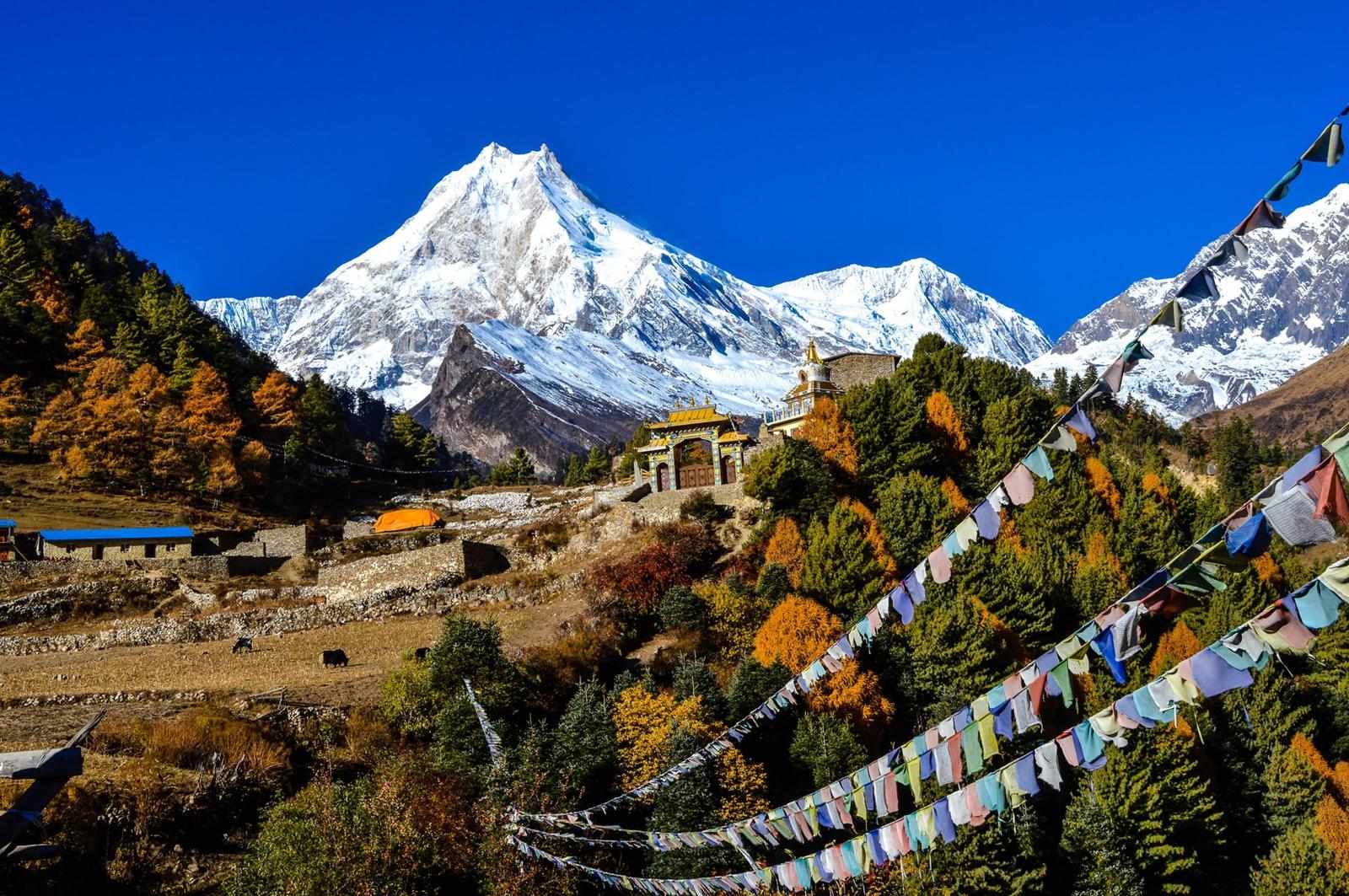
For example, the Sama Gompa and Rachen Gompa are well-known monasteries on the way. These are really great sites to get an understanding of Tibetan Buddhist philosophy, rituals, and the sacred art. Beautiful statues of Buddhist gods, thangka paintings, and colorful prayer flags are often found in the monasteries. Some of these monasteries are still inhabited by monks who will be glad to pass on their local knowledge to trekkers, as well as the opportunity to see religious rituals that have remained unchanged for centuries.
Engaging with Local Tibetan Communities
The Manaslu circuit villages are steeped in Tibetan culture. Far from any roads, these villages offer a chance for trekkers to meet local Tibetan families who live as they have lived for centuries. Our hosts here in town raised their houses of stone, dirt, and wood, but also adorned their walls with paintings of traditional Tibetan protective deities or erected prayer wheels by the door.
This adventure now allows the trekker to traverse these villages and so gives them a once-in-a-lifetime opportunity of spending time with local people, discussing with them, participating in their activities, and getting to know their way of life. The locals are generally very friendly people, and many of them will invite you to eat with them or show you local customs such as making butter tea, traditional handicrafts like weaving and making rugs, and items made from yak wool.
Participating in Traditional Tibetan Festivals
One of the most rewarding ways to integrate into Tibetan culture is to time your trek with a Tibetan festival. In Nepal, as in other parts of Nepal's countryside, many Tibetan fairs are celebrated, consisting of the New Year's celebration of Losar and Buddha's birthday, in addition to his enlightenment and parinirvana pageant, that's Saga Dawa, among others. These feasts are acknowledged for their pageantry and characteristic colourful ceremonies, classical dancing, song, and multicoloured prayer flags.
The sounds of cymbals, drums, and chanting echo through the air in villages throughout fairs whilst locals dance conventional dances around monasteries or alongside narrow village streets. For a trekker, that was a weird and rich cultural experience. You will also see locals dressing up in their finest Tibetan attire, made of yak wool or sheep's wool. and performing offerings of rites to the deities. When you are here during one of these festivities, it is a deeper look into the Tibetan culture in this part of the universe.
Tasting Traditional Tibetan Cuisine
Tibetan cuisine is highly influenced by Tibetan culture and up the Manaslu Circuit trail, merrier: property. I get into a lot of traditional Tibetan dishes. While touring Lhasa, I accidentally wind up in InInCapital's, one of the capital's most renowned teahouses and home to yak momo: dumplings – commonly filled with vegetables, meat, or cheese – that come paired with a fiery dipping sauce. The noodle soup (thukpa) is also suitable for the long trail, and I imagine you won't lose much weight eating this hearty fare.
In the high mountains, yak butter, salt, and tea are mixed to produce a soup-like meal that they consume to stay warm. You may even get to taste Tsampa, a roasted barley flour that serves as your basic food for Tibetans, and is eaten with butter tea or mixed into porridge.
Observing Tibetan Religious Practices
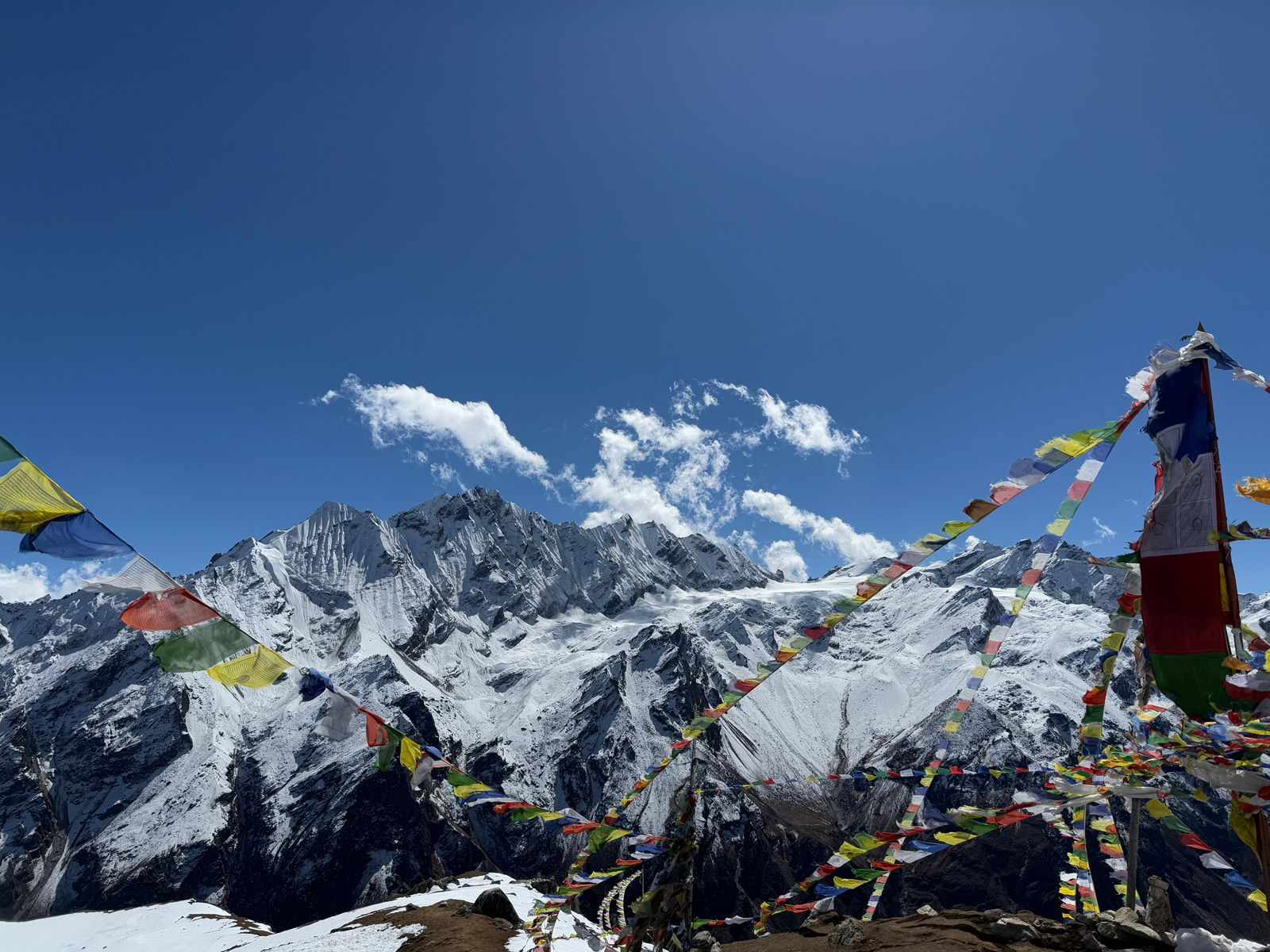
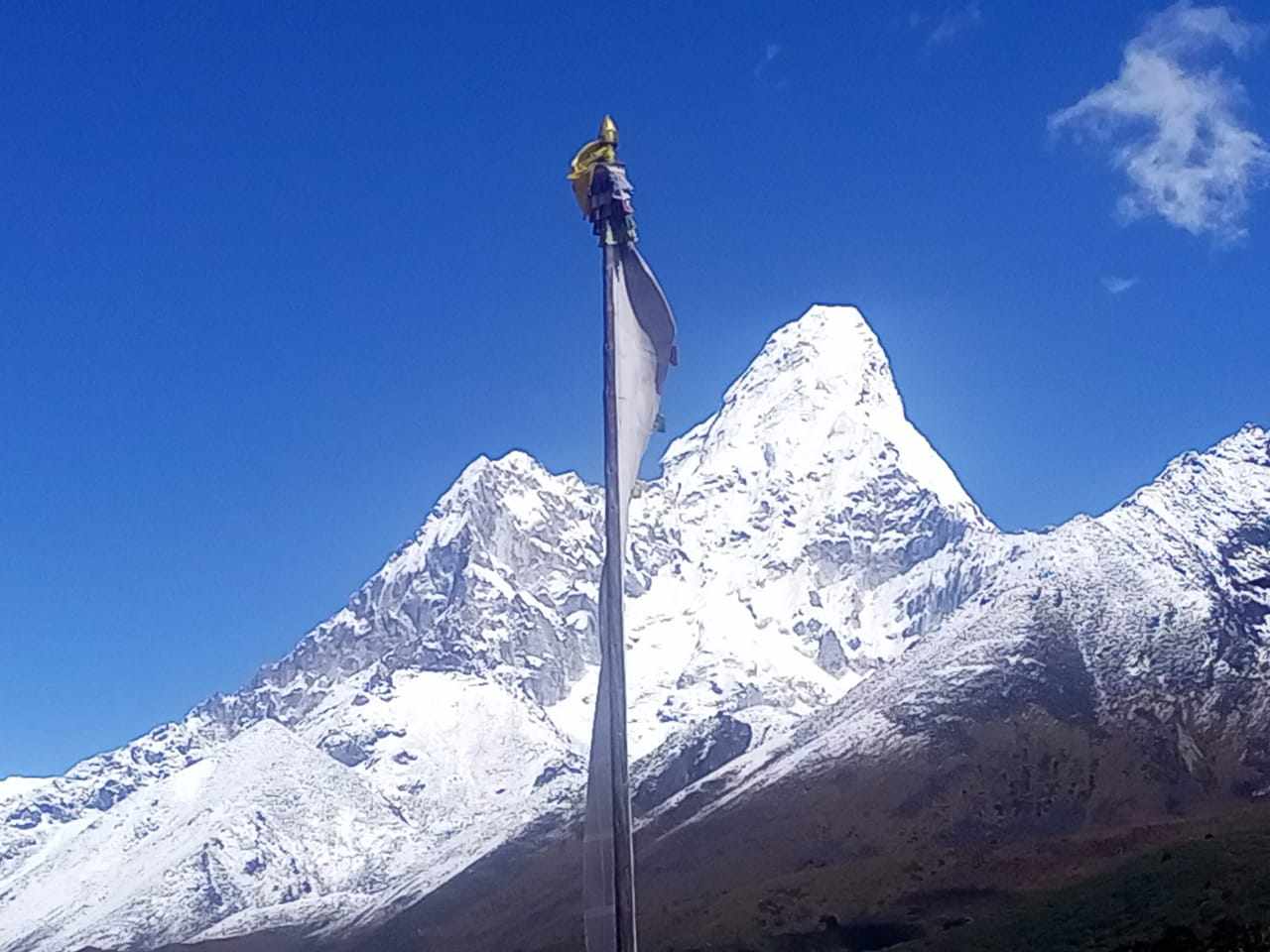
You will also encounter many prayer flags, mani stones (stones carved with Buddhist prayers), and chortens (stupas/stupa). All are woven into the fabric of Tibetan Buddhist practice and are all taken up by locals in their day-to-day practices. You'll encounter the locals at the prayer wheels that line the trails, walking in a clockwise direction, lightly flicking them as they pass. It is believed that there are prayers to send to the heavens. There'ss also the practice of prostrations, getting down on your knees to sacred places and at the feet of religious idols.
Most locals have a small altar for Buddha in their home and even sometimes a collection of Tibetan Buddhist scripture, so you may be asked to watch rituals like lighting the butter lamps, which are an essential aspect of Tibetan Buddhist prayer.
Dressing in Traditional Tibetan Style
Residents of Manaslu put on their traditional Tibetan wardrobes as if they were in a high-altitude mountain. If you are going on a trek, you will see many local people dressed in woolens; some have lovely Tibetan patterns woven into them. Yak, as an animal, is and always has been used for meat, milk, skin, and wool, which is extremely warm.
This customary clothing keeps them warm (in sub-zero temperatures), but it is also a manifestation of " local identity ". The trekking companies will often also offer visitors contact with local tailors who manufacture Tibetan-style clothes, giving you, in return for a purchase, no doubt, a pleasant memento of your trip.
Learning Tibetan Crafts and Handicrafts
Manaslu region -The Tibetan art crafts are an integral part of the local life and culture. The local inhabitants produce handloomed carpets, woolen blankets, and Tibetan fleece jewellery and ceramics. These are skills handed down through the generations, representing the inventiveness and resourcefulness of those who live in the coverage, which is clear to see.
When travelling through the villages, you might even see artisans weaving intricate patterns or creating beautiful jewellery. Some of the local women also offer workshop sessions for trekkers to learn how to make basic Tibetan craft pieces, a good opportunity to take back an authentic handmade souvenir from the trek.
Final Conclusion
However, the Manaslu Circuit Trek is so much greater than just working up a sweat and seeing lovely surroundings; it also gives you a glimpse of an historical Tibetan lifestyle that somehow has managed to grasp on right here on this remote nook of the Earth.
The religious festivals, food, and people can honestly be a highlight of your trekking walk in Nepal, and the culture is just so diverse, with everything you will learn, see, and experience. By respectfully interacting with the Tibetan culture at places along your trek, you are not only enhancing your understanding of a very special part of our world, but also helping to preserve valued traditions for generations to come.

Write a comment ...