
Trekking Mera Peak, 6,476m, one of Nepal’s most popular “trekking peaks,” is a thrilling adventure that introduces trekkers to some of the high Nepal Himalaya’s most stunning viewpoints. But high-altitude climbing has its drawbacks, not the least of which is brutal cold. The temperatures can drop way, way below freezing, the winds can be extreme, and sudden weather changes are frequent. For safety, comfort, and summit success, warm-weather clothes will only get you so far. You’ll need such a good acclimatization strategy as well. This blog identifies practical approaches to beating the cold from Mera Peak.
Into the Cold on Mera Peak
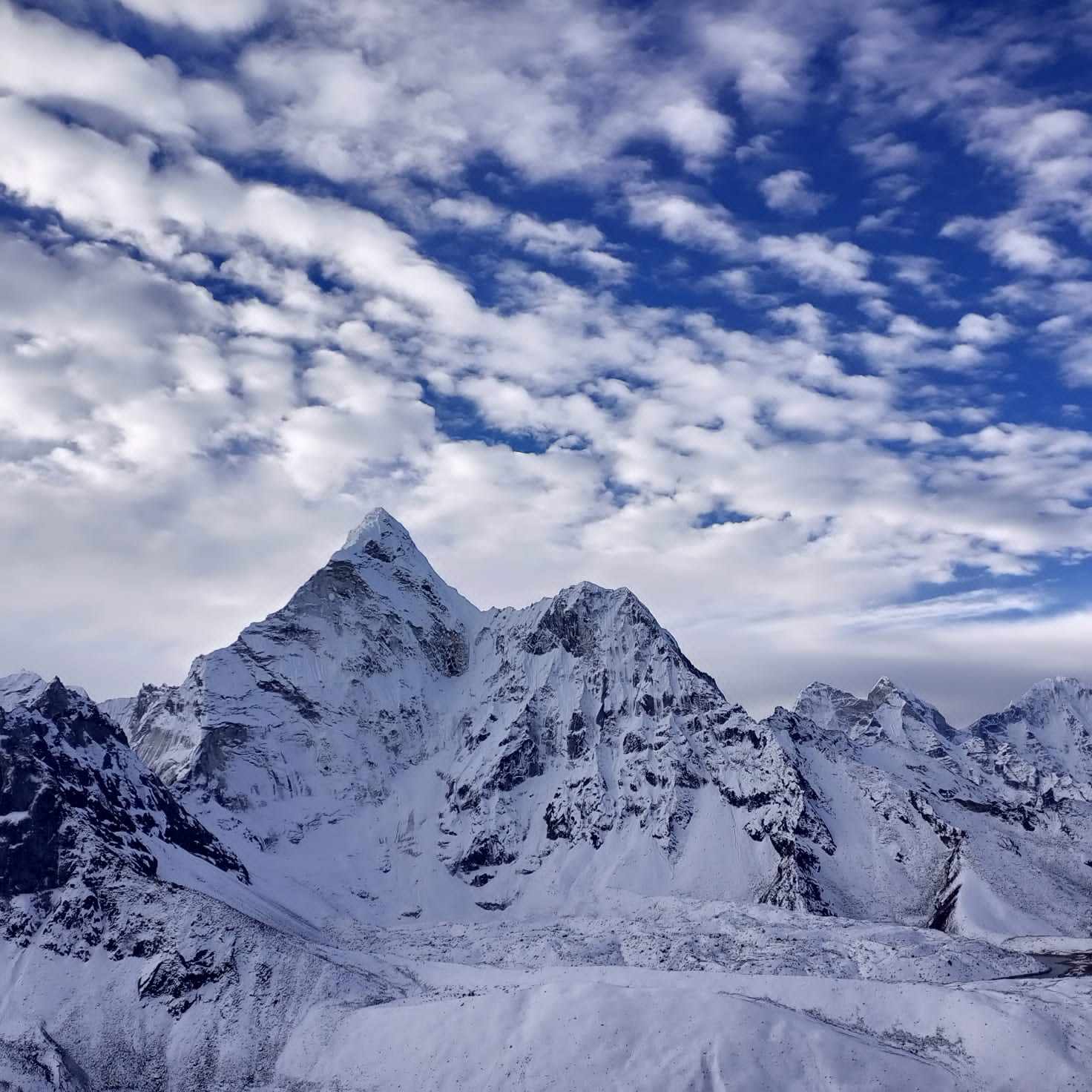
On Mera Peak, the cold absorbed is augmented by altitude and exposure. Nights at high camps (Mera Base Camp, High Camp, and near the summit) can be -15 C or colder in Autumn or Spring also. The wind chill could make it feel even colder. Climbers bear snow, ice, and high winds as they make their way through glaciers and up steep slopes. Knowing how altitude, wind, and temperature blend is one of the keys to staying both secure and warm.
Layering Clothing for High-Altitude Warmth
The secret of coping with the cold (which is often overlooked) on Mera Peak is a sound layering system that can lock in warmth, transport sweat away from your skin, and block the wind.
The Base Layer: Moisture-wicking thermal is a must. It wicks the sweat away from your skin and keeps you from chilling. Stay away from cotton, which holds moisture, making hypothermia more likely.
Middle Layer Fleece , a middle layer or warm jacket with some mobility. Down jackets will be excellent to have for when you are resting in high camps , and the temperature is frigid.
Exterior: A waterproof, windproof shell that shields against snow, ice, and wind. And because nobody wants to overheat on a steep climb, you might consider breathable materials like Gore-Tex that keep moisture at bay.
Another Clothing: A pair of thermal gloves and a balaclava/warm hat, plus good quality socks, are a must. Mittens add additional warmth for hands, while layering with socks keeps feet warm on long climbs.
The ability to easily layer up or down is critical for thermoregulation during huffing ascent/clinking rest dichotomies.
Safety for the extremities: hands, feet, and face
Cold burn, such as frostbite, is a frequent occurrence in high-altitude climbing. Protecting extremities is critical.
Hands: Layer gloves, thin liners under insulated mittens. Bring extra gloves, as the outer layer may become wet.
Feet: There should be no heat loss, so insulated, waterproof mountaineering boots and gaiters are ideal. If you have an icy area, you can opt to add boot liners or a thicker pair of socks.
Sleeping Warm in High Camps
Mera Peak high camps get really cold at night, and sleeping quality equipment is very important for rest and regeneration.
Sleeping Bags: Down sleeping bag rated at -15 to-20 degrees Celsius. Down is unsurpassed for being lightweight and providing an unparalleled warmth-to-weight ratio that keeps climbers warm and cozy all night long.
Sleeping Pads: Insulating yourself from the cold ground is not just comfortable; it is also essential for staying warm at night. For first-time campers, foam pads or inflatable mats are a must for sleeping comfort and warmth.
Sleeping with layers, eg, thermal base layers, a hat, and socks, can add a lot of warmth without the need for too much bulk.
Staying Hydrated and Nourished
Cold weather blunts thirst, but dehydration may further predispose one to cold-induced illnesses. Drink warm beverages like tea and soup, and eat high-calorie foods to keep your energy up and create internal heat.
Hydration Tips: Insulated bottles and hydration bladders can keep water from freezing. During summit day or at the high camps, hot drinks in insulated bottles can be not only hydrating, but also soothing.
Nutrition: Fuel for the cold. Make sure to incorporate carbohydrates and fats in your meals to fuel your body in cold environments. Energy bars, nuts, and chocolate are really good for eating on steep climbing paths.
Managing Cold During Summit Attempts
Summit day will take you through the most challenging conditions on Mera Peak. Cold requires some thinking and strategy: Time - Plan to move around and heat up!
First Ones Up: Start the climb in the predawn darkness. The early hours are relatively quiet, with less wind and temperatures that gradually increase with the sun.
Go Steady: There is no hiding; clothes are a poor insulator, and you will get cold with too little movement. Do not become overheated, for wet clothing can chill the body rapidly.
Consistent Breaks: Brief pauses for water, fuel, and clothing layers help conserve energy and warmth.
Monitor Your Body: Look out for the early signs of frostbite, hypothermia, or freezing. Take care of issues immediately by layering, keeping your hands or feet warm, getting warm, or finding shelter.
Gearing for a Cold Trip
You want to use specific mountaineering gear to manage and minimize the cold:
Crampons and Ice Axe: Will provide the traction you will need when on icy slopes and help keep you moving as fast as possible, which is crucial for decreasing time spent in the cold.
POC VPD Protection Insulated Backpack: Your gear is protected from freezing temperatures, and many items are easily accessible, such as snacks, water, and additional clothing.
Grabber Warmer Packs: These small, disposable heat packs can provide short-term relief to hands or feet on summit day.
Sunglasses and Goggles: Protects eyes against snow glare, wind, and even frostbite on the eye.
Acclimatization and Health Considerations
To preserve warmth, and therefore performance, one must be adequately acclimatised. Climbers endure snow, ice, and high winds as they make their way through glaciers and up steep slopes. Understanding how altitude, wind, and temperature blend is one of the keys to staying at ease and warm.
You'll also want to watch for altitude sickness; decreased blood flow can exacerbate cold exposure. Reference to guide and emergency medications may avoid a disaster in adverse circumstances.
Mental Tricks to Tolerate the Cold
Cold weather is as much a mind game as a physical one. Mental preparation in climbing, the mind keeps climbers on task:
Positive Attitude: Remaining calm and positive alleviates stress and results in better decisions when confronted by adverse circumstances.
Conscious Movement: Pay attention to every step you take and move mindfully, with intention, in order to save energy and create heat sparingly.
Companionship: As a team or group, you have both companionship and motivation to share resources during extreme cold.
This mental resiliency, mixed with bodily preparedness, prepares climbers to better tolerate the freezing conditions of Mera top.
Final Conclusion
mountain climbing Mera Peak in cold weather needs training, certainly, for both the climber and the arsenal of tools and approaches. sporting a couple of layers of clothing, insulating your extremities, having pleasant drowsing gear, and staying hydrated and nourished, in addition to taking it clean on summit day, are all vital habits. knowing what to anticipate from the mountain’s surroundings, climate modifications that lie ahead, and the intellectual energy required for extreme cold are just as critical.
With proper interest in preparation and a healthy reverence for the cold altitude, climbers are able to concentrate on the stunning perspectives, exhilarating glacier travel, and a successful final touch of a secure climb up Mera Peak. Cold is an important part of Himalayan climbing, and with the right approach, it’s a conceivable — even worthwhile — characteristic of the journey.

Write a comment ...