
Lobuche Peak climbing in 2026 would be the passion of trekkers and amateur mountaineers. Though 6,119 meters is relatively achievable compared to other high-altitude peaks of Nepal, Tukuche Peak is truly a mountaineering challenge. It's the halfway step to success; acclimatising in high camps counts double for your health, endurance, mental power, and Himalayan experience. It'll give you a sense of what life in high camp is like and help you prepare on all fronts — mental, physical, logistical.
Arrival at High Camp
The high camps on Lobuche Peak are typically set at 5000–5800 metres, depending on the route. After several days of climbing up the Khumbu Valley itself, acclimatising in villages such as Dingboche and Gorak Shep on the way, climbers reach the high camp site. High camp is a surreal place to arrive; the thin, cold air makes everything laborious as soon as you put one foot in front of the other.
Arrival climbers are generally assigned to pitch for the team or to use the camp tents. Such tents are specially designed to survive high altitudes, with strengthened poles, double layers for insulation, and wind resistance. Despite gloves, down clothing, and anti-frostbite warming, climbers quickly find that the environment is quite hostile compared to base camp, and it takes a few days at advanced base to acclimatize.
Acclimatization is Key
High camp life is all about climbing and acclimatization. There are days for climbers when they have to work their way, come higher, ease themself up — but the body still needs exposure time to such high altitudes. It's more difficult to breathe, and you may have blisters or be a little headachy, tired, or short of breath. Guides may offer advice to sleep for a few hours after one reaches base camp, take it easy, and drink some water.
On acclimatization, other climbers may take short walks around camp so as not to lose too much blood flow and muscle strength. The majority of meals are light but nutrient-dense and emphasize carbohydrates for energy, alongside proteins for muscle recovery and repair. It is crucial in that it helps to prepare the body for summit day, when incomplete acclimatization can lead to altitude sickness or poor performance.
Living Conditions at High Camp
At higher altitudes, camp life is anything but cushy. While tents are cramped, and it may get very cold, the shelters may plunge well below freezing, especially at night. Camping and sleeping in such conditions requires a little gear – such as good sleeping bags, thermal mats to keep one insulated from the ground, and layer upon layer of clothing. Preparation is paramount, though high camp life is never easy, and most climbers will tell you that dealing with cold is one of its most significant factors.
High camps are functional but not comfortable places. Tents shield climbers from wind and snow, and common areas — if or when they exist — offer a place to eat, socialize, and strategize with guides on climbing. There is no electricity, and headlamps provide lights, or batteries, smartphones, or lanterns. This stripping down fosters resilience and acclimatizes mountaineers to the psychological hurdles of their summit push.
Meals and Nutrition
Eating becomes risky business at high elevation. When you are short on oxygen, you tend to lose your appetite, and eating calorically dense foods during an illness is key to keeping up your energy and generating warmth. Food at high camp is calorie-rich but straightforward. The product is applicable in various forms, such as instant noodles, rice, gruel, soup, and energy bars. When it comes to morale and hydration, pushing warm drinks like tea, coffee, or hot chocolate is just as important.
Menu is provided at a centrally located mess tent if you are part of an expedition; otherwise,high-altitude tents are used where the numbers don't allow for such extravagance. Frequent, smaller meals are recommended instead of once-a-day large meal servings. Hydrating with water and/or electrolyte drinks will also help combat dehydration, which is common at elevation due to the additional respiratory water loss.
Mental Challenges
High camp life is as much a mental test as it is a physical one. The isolation, the severe temperatures, and the knowledge that this one didn’t even get you to the top can make for an anxious or self-doubting mental state. Doesn't a climber have a difficult moment, or doesn't one become homesick, and does it have to do with being a factor in the success of your climb?
Ways for that to be alleviated include visualization, meditation, and talking to other athletes. The motivation, the pacing, and grouping the group’s vibe are up to the guides. Successfully dealing with these mental challenges at high camp is an essential factor in climbing higher confidently and safely.
Weather Conditions and Safety Considerations
Unpredictable weather in the heights. Throw in some snow and high winds, along with quick swings in temperature and flare-ups of the all-too-common weather, and you're at risk if you’re on a Lobuche Peak climb. At high camp, climbers use it to check the weather and make calls on when to push for the summit. Translated: Climbers need to be willing to change plans.
Safety habits include good clothing, staying in camp during storms, and following guide directions closely. Avalanches and crevasses pose a risk on summit routes, and making the climb when conditions are right is key. Living at high camp gives climbers patience, alertness, and respect for the mountain environment.
Summit Preparation from High Camp
The high camp marks the beginning of summit day. The evenings before the ascent are usually reserved for checking gear, studying the route, or mentally getting ready for a long climb. Typical bedtimes are also on the early side, because summit bids frequently begin before sunrise in order to encounter firmer snow and gentler wind.
Guides will deliver last-minute briefings, so climbers understand safety protocol, where they are on the route, and reminders about acclimatization. All the gear — harnesses, crampons, ice axes , and ropes — is double-checked. Mental preparation, good hydration, and food intake at high camp do have a direct impact on Summit day performance.
Camaraderie and Unique Experiences
Through the physical and mental anguish, life here at high camp develops a sense of camaraderie. Shared struggle builds close relationships between climbers, guides, and Sherpas. These encounters, table dinners, and stories with headlamps on (not to mention the anticipation of summit day) are things you never forget.
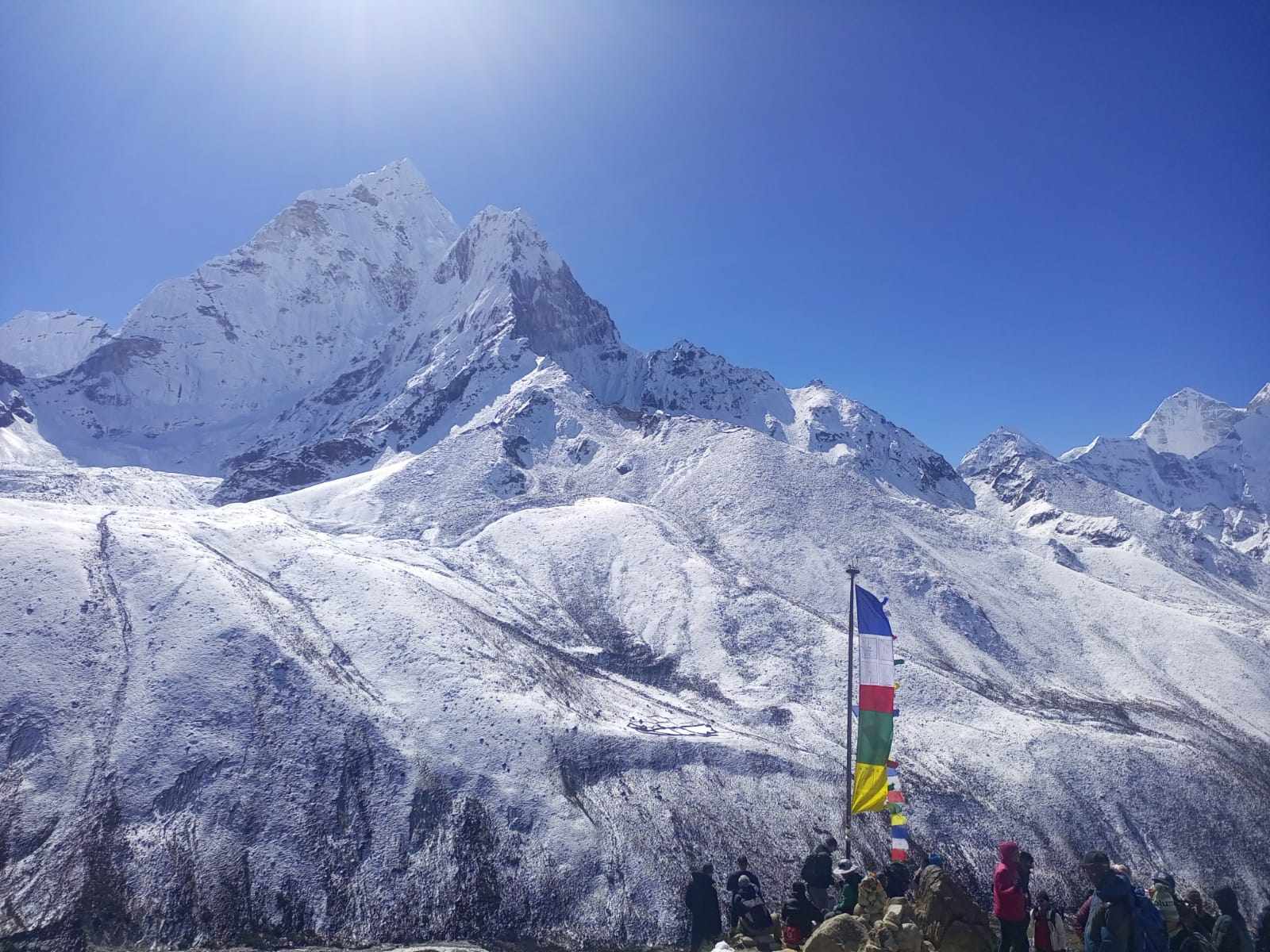
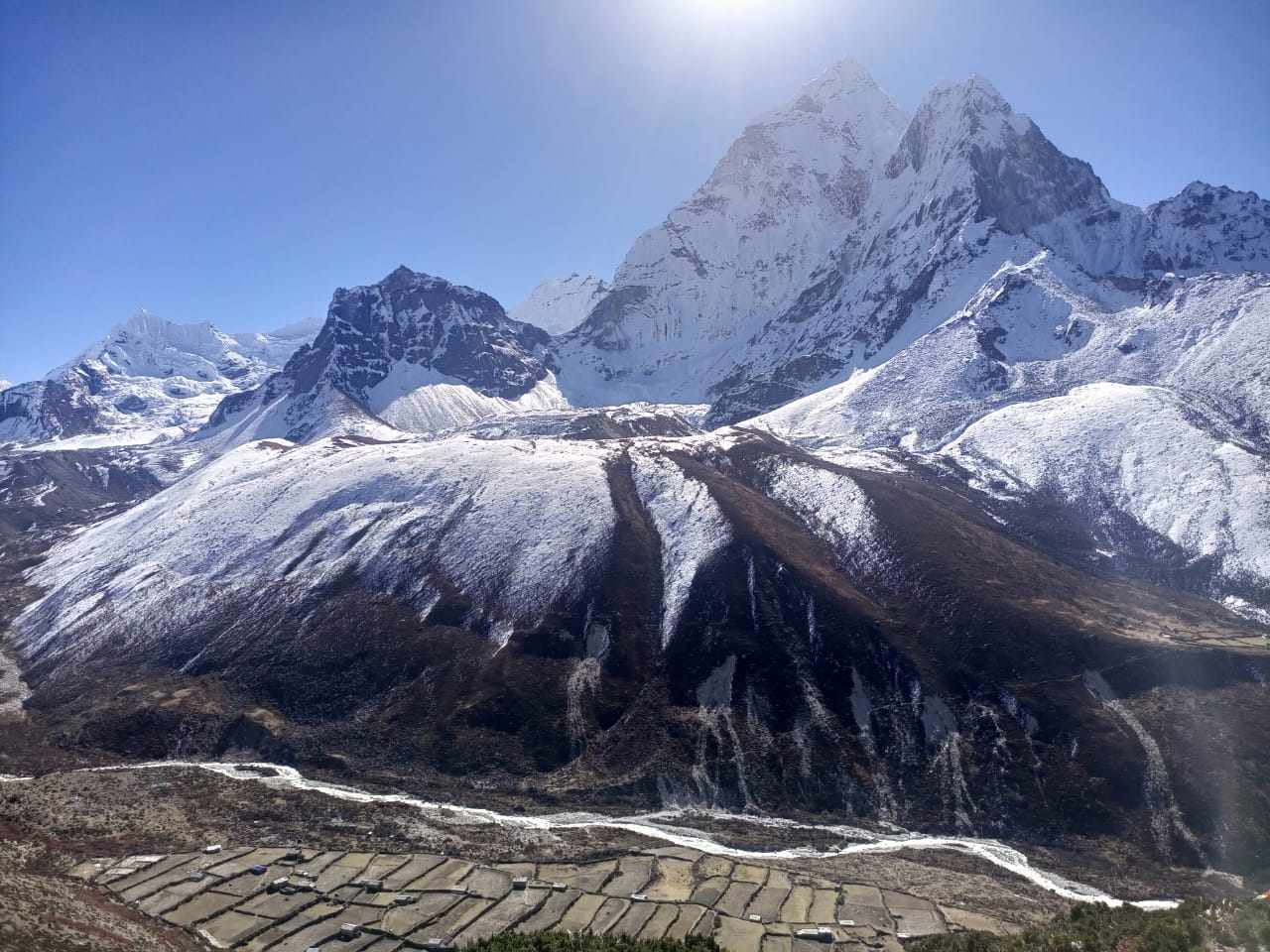
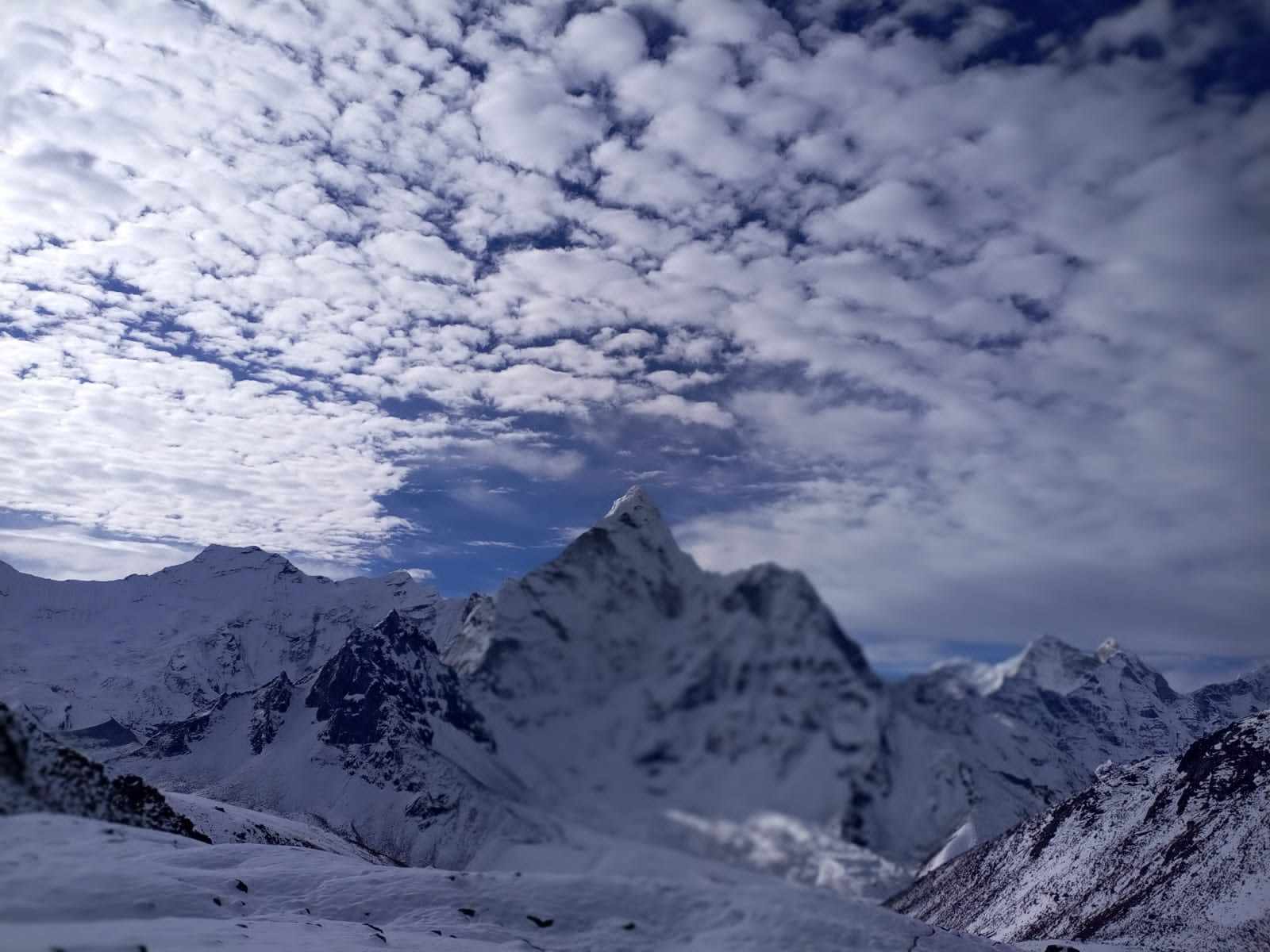
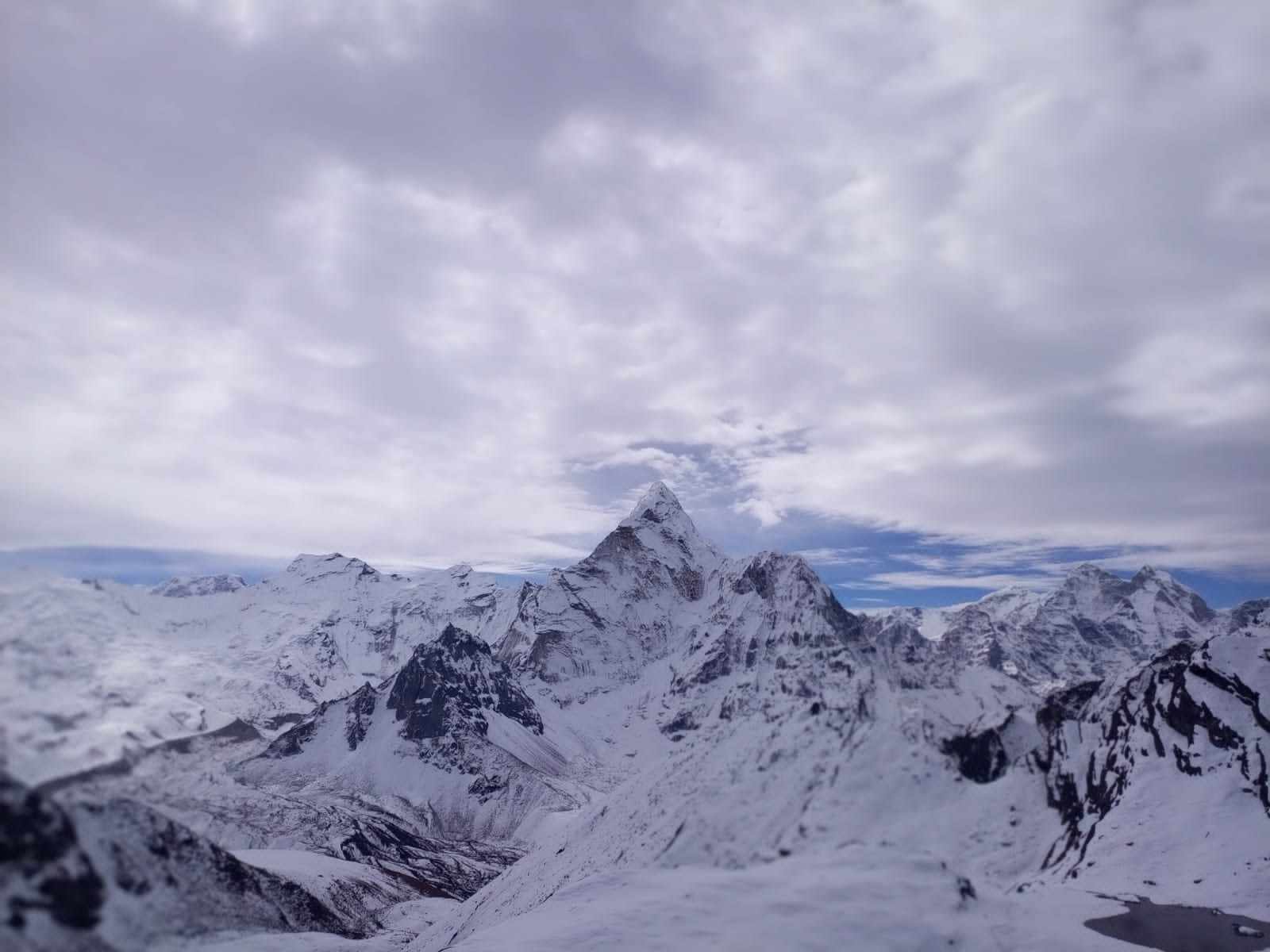
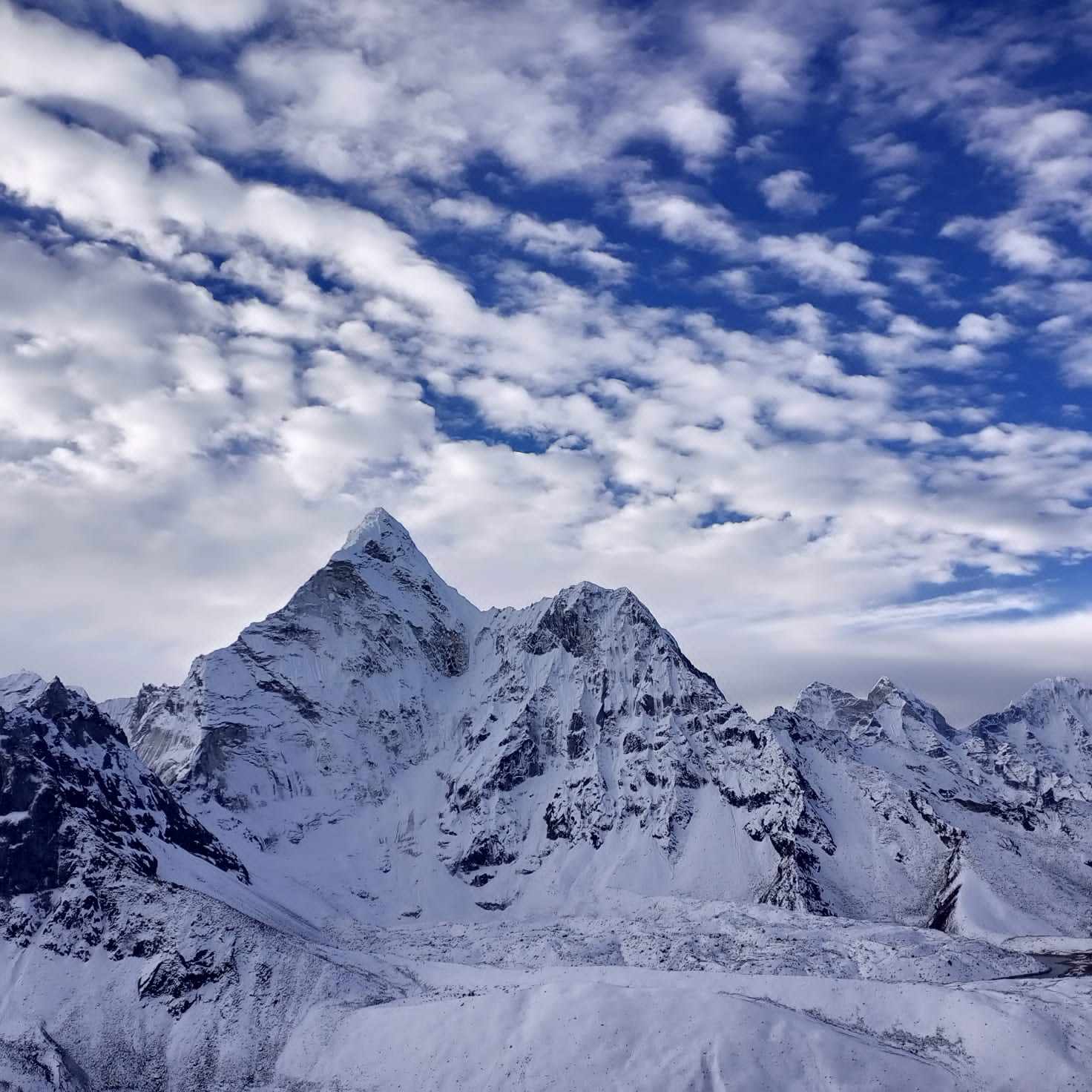
High camp also offers up more scenes of natural beauty so stunning that they might make even the most irreverent bird hush its singing. On bright days, sunrise illuminates distant peaks — and the night sky at 5,500 meters or higher is staggeringly clear. They can be tough and form the most memorable part of the Lobuche Peak climb for many.
Final Thoughts
Conditions in high camp life when climbing Lobuche Peak in 2026 are a gritty combination of determination, courage, and friendship. From learning to acclimate themselves to the crushing high altitude and bad weather, from the discipline of sticking to a routine while preparing for the summit push, living at high camp is an education in what climbers can tolerate — or not; who they are; and just what these mountains are in general. It’s painful, challenging, and exhausting, but we think of it as life-affirming – an opportunity to grow as individuals while enjoying magnificent panoramic views of the Himalayas. For climbers on Lobuche Peak, high camp life is a necessity, and your experience will depend on it – it can either make you or break you, fostering solid, safe, and fun climbing for you.
With awareness of what lies ahead in terms of physical strain, absence of amenities, and strict regimen, along with mental challenges, Future climbers can better prepare for their adventure and increase the prospect of reaching the summit.“I am so pleased that Simon discovered me. It's not a place to sleep; it's part of the journey up, where gritty determination and teamwork mixed with patience finally yield the ultimate result - Lobuche Peak.

Write a comment ...