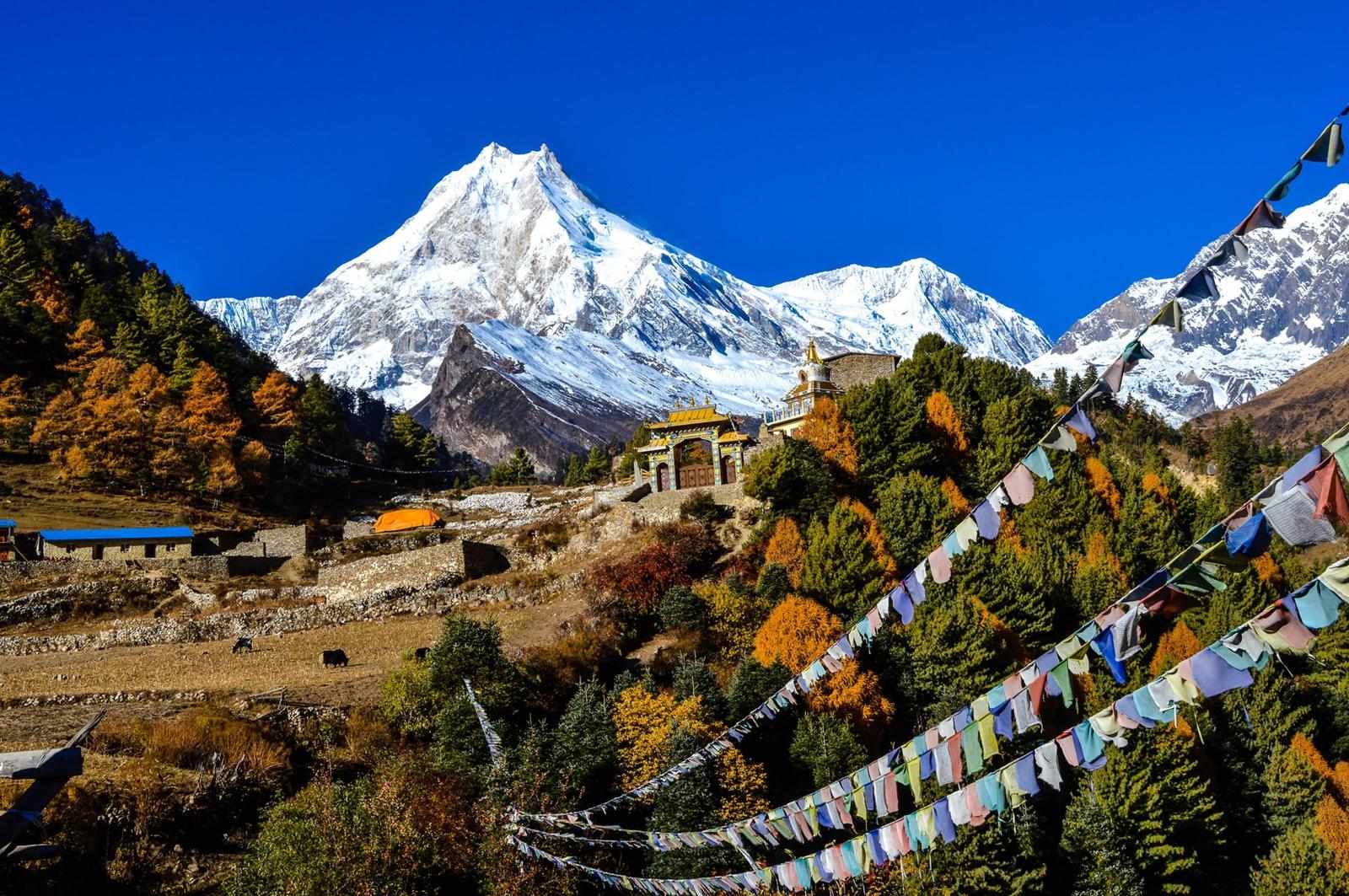
Manaslu Circuit The Manaslu Circuit Trek is a complicated trek that is among the hardest treks of Nepal. The United States's untamed terrain, stunning views of the Himalayas, and precise culture have become a magnet to guests throughout the globe. But the altitude remains, in particular beyond 3,000m and above sea level, Larkya la. pass at 5,160 m, this is specifically liable for vulnerability to altitude sickness.
Grasp of altitude-associated problems, their prevention, and management are important for climbers/trekkers who wish a safe ascent and successful summit.
In this article, we offer realistic and practical advice about how to minimise the chances of getting altitude sickness, how to recognise the symptoms if you have it or are going to develop it, and how best to acclimatise for your Manaslu Circuit Itinerary.
Understanding Altitude Sickness
When the human body has trouble adjusting to low oxygen levels at high elevation, it is called acute mountain sickness (AMS). The further up one is, the lower the air pressure, and hence less oxygen to breathe in. Signs can involve headache, nausea, dizziness or fatigue, shortness of breath, and disrupted sleep.
Although mild AMS occurs frequently above 3,000 m elevation, more severe forms such as HAPE and HACE can turn fatal. For climbers who are attempting the Manaslu Circuit, as for anyone who feels unwell at altitude, it's essential that they can tell the difference between mild symptoms and dangerous conditions.
Plan Your Ascent Gradually
Prevention of mountain sickness. This is due to failure to acclimatize or hydrate adequately in reduced air pressure. A product used for the prevention of this type of mountain sickness is slow and gradual ascent. Climbers should not increase sleeping elevation gain above 300-500m a day above 3,000m. On the Manaslu Circuit, there are natural acclimatization days due to villages in Namrung, Samagaon, and Samdo, with great spots, which makes it a nice extra day or 2.
It also includes acclimatization days which allow your body to get used to thinner air. i.e., if you feel energetic, don't push out really long trekking days at the start of your trip at high altitudes. Patience and weaning help reduce AMS.
Monitor Symptoms Carefully
Being aware of your body and recognizing early signs is crucial. Mild headaches, nausea, dizziness, and shortness of breath are all signs that your body is trying to tell you to take a step back. Fatigue or the inability to sleep well at altitude is another mechanism that your body can be working through with" altitude stuff".
Maintain a daily diary of feelings per day, take pulse rate , and report the symptoms to guide or fellow trekkers – this will support you to take preventive action at the right early stage. Ignoring the symptoms or not halting ascent (in the presence of warning signs) could cause unsafe situations of high-altitude illnesses.
Stay Hydrated and Eat Properly
Consuming lots of water is vital to heading off altitude illness. High-altitude air is dry and cold, and the body loses moisture quickly through respiratory and sweating -- for this reason, you are at risk of becoming dehydrated. Drink no less than three to four liters of water a day, and work in some natural electrolyte solutions to retain your minerals.
Eating immensely high-carb food immensely feeds the body, and transition develops for physical distress. Food such as dal bhat, noodles, porridge, and dried fries is in abundance on the Manaslu circuit, with food suitable for long treks. If you can, cut down on alcohol and caffeine — both of which can dehydrate you and exacerbate your symptoms of altitude sickness.
Proper Rest and Sleep
Likewise, sleep and resting are critical during acclimatization. Avoid any physical exertion as soon as you reach those villages and try to get a good night's sleep to help the body acclimate. Altitude: Cock may be restricted at altitudes above approximately 4000 m secondary to moderate hypoxemia.
Discomfort can be relieved with an oxygen-enriched sleep system, oxygen supplementation, and relaxation methods. The trick is not to over-exhaust the body and wear it out during the day, as tiredness does increase your susceptibility towards AMS. A light, easy jaunt up to a higher hill nearby to camp and then back down again for an overnight acclimatization. Slow and steady walking through the day maintains a constant pace with a series of short rests during the walk.
Medication and Preventive Measures
Some trekkers use preventive medicines, including acetazolamide, for acclimatization to altitude. This drug can help the body acclimate to reduced oxygen levels, but it should be used only under a doctor's care. Before you take the trip, communicate with your health practitioner about how much to take, what side effects you could anticipate, and if it's safe for you.
Other preventive measures would be gasoline tanks and pulse oximeters to monitor oxygen saturation, supplementary oxygen, and exams with local publications or hiking companies that specialize in high-altitude regions. Such tools and tactics could provide an early warning to us and allow us to manage the symptoms before they become out of control.
Descend If Symptoms Worsen
The key to HACE management is determining it's time to go down. If the signs and symptoms are not resolved with rest, rehydration, and acclimatization, then one should descend to a lower elevation where it is safer.
HAPE and HACE both require immediate descent and treatment! Don't try to "tough it" when it comes to these, as they can quickly be fatal if not treated correctly. Security priority and the programme can come afterwards.
Work with Experienced Guides
Safety on the Manaslu Circuit . It's much more dangerous if you go alone, but far less so with local guides who know this terrain extremely well. Guides are acclimatization-smart, they can keep track of trekkers' health and read the pace and rest days well (and some save lives by evacuating them promptly if required). Solo trekkers should consider hiring a guide on call for altitude-related problems.
Equipment and Gear Considerations
You could deliver some gear as a way to assist in reducing the consequences of altitude sickness and keep you relaxed at higher elevations. Jackets and sweaters. Make sure that everyone has something with the right warmth rating(-4/-2C for Uttaranchal), a sleeping bag (either isofill/feather mix), tricky socks, hiking sticks, and good shoes so that you won't run out of energy on the ups. Optimal layering is a significant factor that advantages the sustaining of the core temperature in the body and helps for physiological acclimation to occur (wind, cold sun protection). It's also good to keep some basic medicine and oral rehydration solution (the first-aid kit) in your car, no matter how rudimentary it is.
Mental Preparation
The ability to think relatively clearly is the key to not being sick at altitude: not getting spooked by the weather or the vertical lines, and not becoming too emotional. Physical symptoms can be increased by stress and anxiety, or doing too much. An upbeat attitude, of quiet patience and cheery optimism, helps the body to acclimate to high altitude. You need to be realistic, have daily targets , but if your body says no, then listen and pace yourself. Young added," Acclimatization is not about fast or slow; it's about going at the right pace.” Mindfulness techniques involve being present within the now, which may be an exquisite help whilst mastering the way to deal with soreness during high-altitude trekking via breathing sports or meditation.
Final Thoughts on Preventing Altitude Sickness
But, altitude illness is an actual situation for hikers on the Manaslu Circuit Trek, mainly in the event that they do not acclimatize properly or forget about moderate signs of AMS. But with accurate guidance, slow acclimatization, vigilant tracking of your body, and taking precautions like pacing yourself and staying properly hydrated, the dangers may be substantially minimized.
Trekking with skilled publications as well as staying hydrated, ingesting properly, resting well, and descending if wished are other aspects of safe high-altitude travel. With a nod to altitude sickness and acknowledging the difficulty of high-altitude trekking, though, you have to be there or at least on your way on the Manaslu Circuit Trek.
A very fit climber who follows these recommendations should have no difficulty climbing high altitude terrain, crossing Larkya La successfully, and having one of the more enjoyable mountaineering experiences available in the Himalayas of Nepal.

Write a comment ...