
The Himalayan region of Nepal is home to the world’s most beautiful trekking, and the Langtang Valley Trek happens to be one of them. Being dotted with dense forests, alpine meadows and mountainous rivers along jetting off the vibrant culture of Sherpa and Tamang people, Langtang trek reveals an authentic Himalayan experience to trekkers.
Gosaikunda Lake, a revered alpine glacial lake in both Hindu and Buddhist traditions, is only a few hours’ hike past Langtang, presenting an added non-secular and natural size to the route. Adding Gosaikunda Lake is a tremendous complement to the Langtang Valley Trek and completes an unforgettable journey that highlights the way of life, environment, and severe altitude trekking.
Understanding the Combined Trek Concept
The Gosaikunda Lake is integrated with the Langtang Valley trek, and the trekkers merge the two most famous routes –the Langtang Valley trail from Syabrubesi and from Dhunche via Laurebina pass to Gosaikunda. Although Helambu and Langtang regions are linked by geography, one should plan logistics, distance in altitude, and time to manage the trek in a systematic way. A pleasing combination of trekking with all its variety of landscape— river valley, rhododendron forest, alpine pasture, and glacier lake – this trek catches the common eye for trekkers who desire both natural beauty & cultural experience.
Planning the Itinerary and Duration
The whole journey takes between 14 and 18 days, depending on how you pace yourself and need to acclimate. Most routes start with a power from Kathmandu to the village of Syabrubesi and trekking through Langtang Valley as faras Kyanjin Gompa. From there, trekkers could drop all the way down to Dhunche and maintain onto Gosaikunda Lake over Laurebina pass earlier than returning up to Dhunche; on the other hand, take the road to Kathmandu. relaxation days in strategic places like Kyanjin Gompa, Thulo Syabru, and near the vicinity of Gosaikunda resource in acclimatization and allow trekkers to revel in the local way of life & views without exhaustion. Scheduling things well doesn't cause mutual exclusivity along those paths.
Managing Altitude and Acclimatization
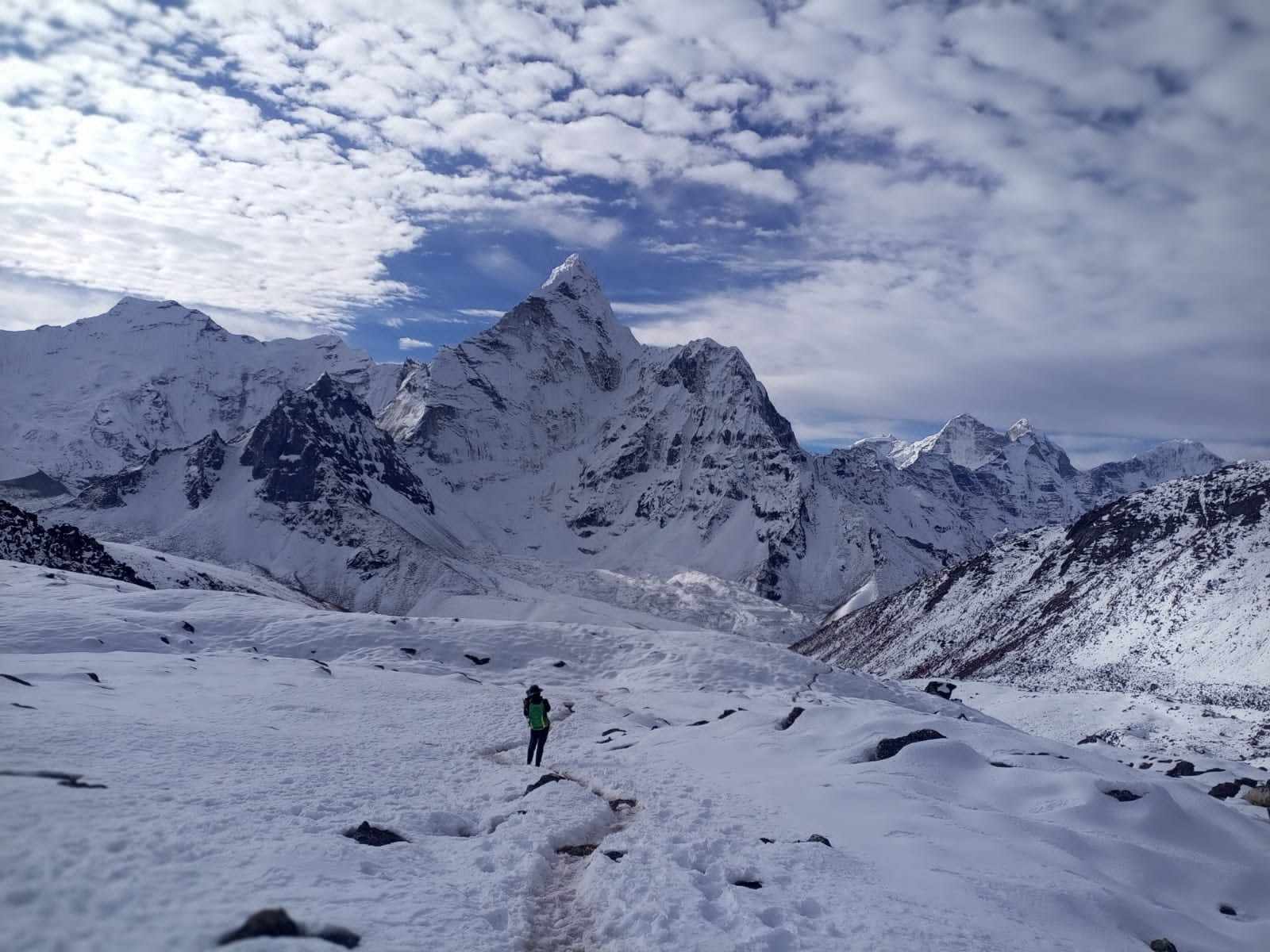
Gosaikunda, at an elevation of 4,380 meters, and the peaks of Langtang Valley climb well beyond 4,900 meters by Langtang Lirung. These treks should not be coupled without adequate acclimatization of one to two weeks or even more. A gentle ascent and rest days established at important villages like Lama Hotel or Thulo Syabru allow the body to get used to high altitude. At the same time, optional short hikes protect against cold feet. The strategy of “climb high, sleep low” helps reduce the risk of acute mountain sickness, and you enjoy the best view from both sides.
Selecting Lookouts and Views
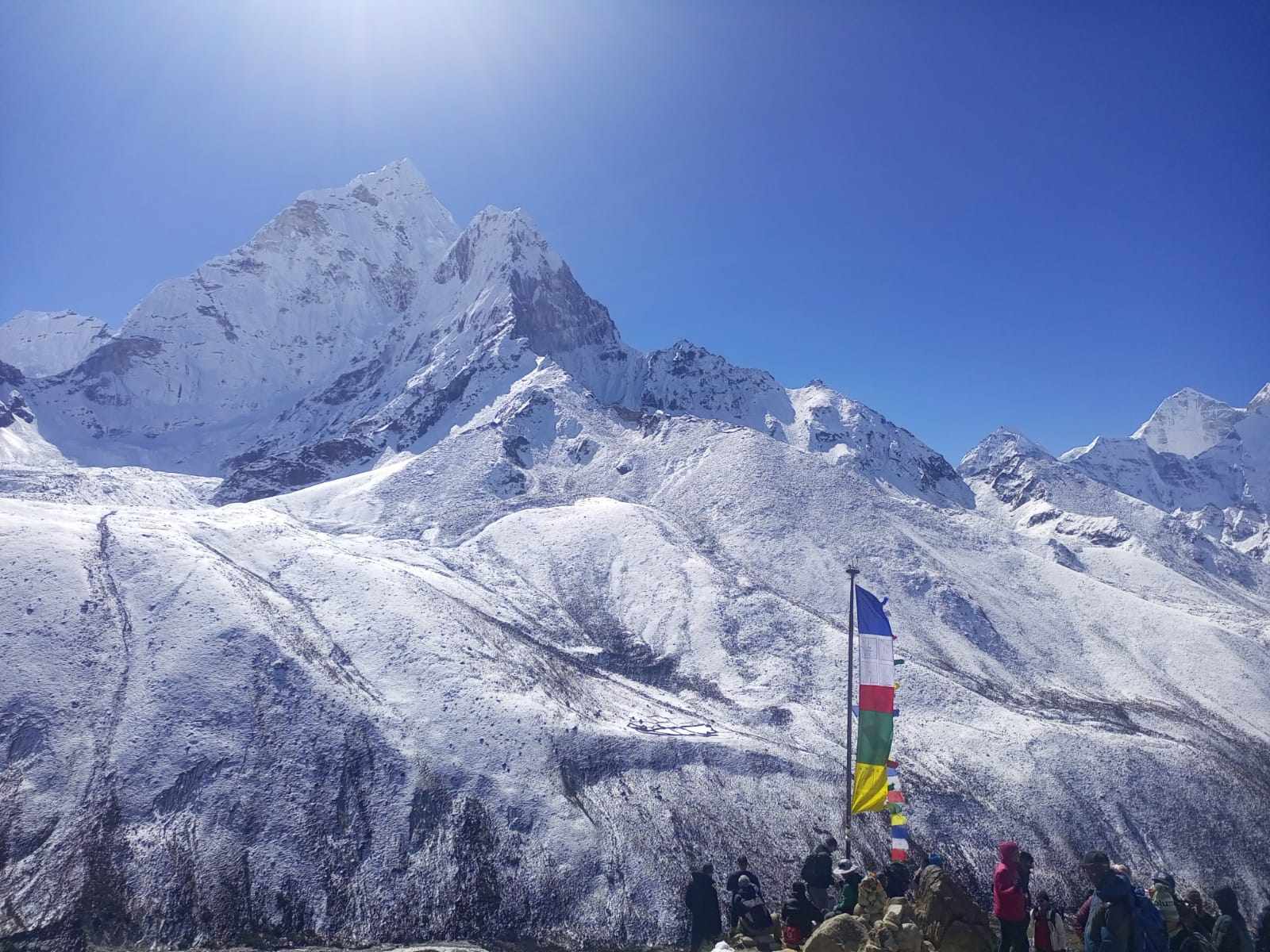
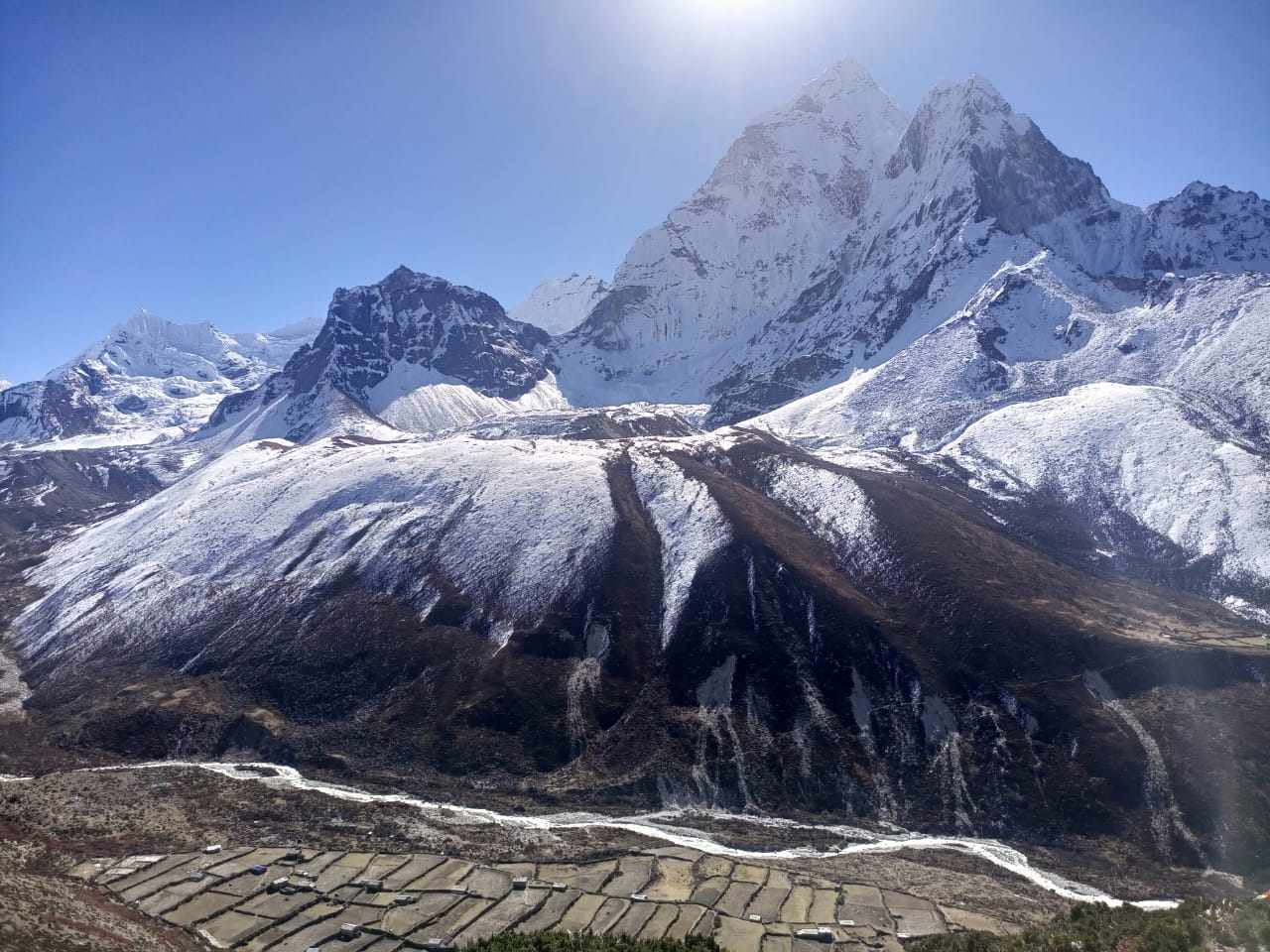
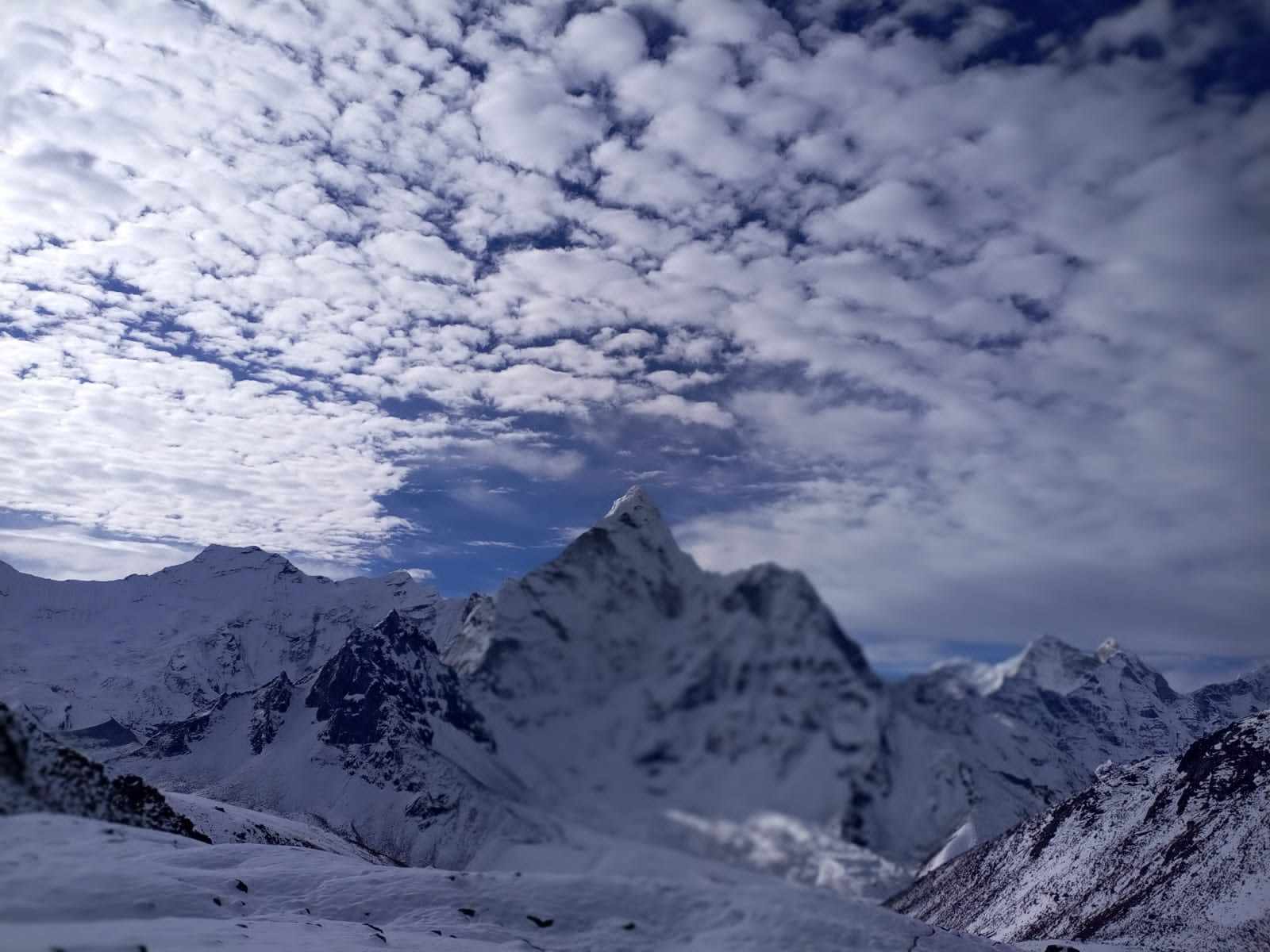
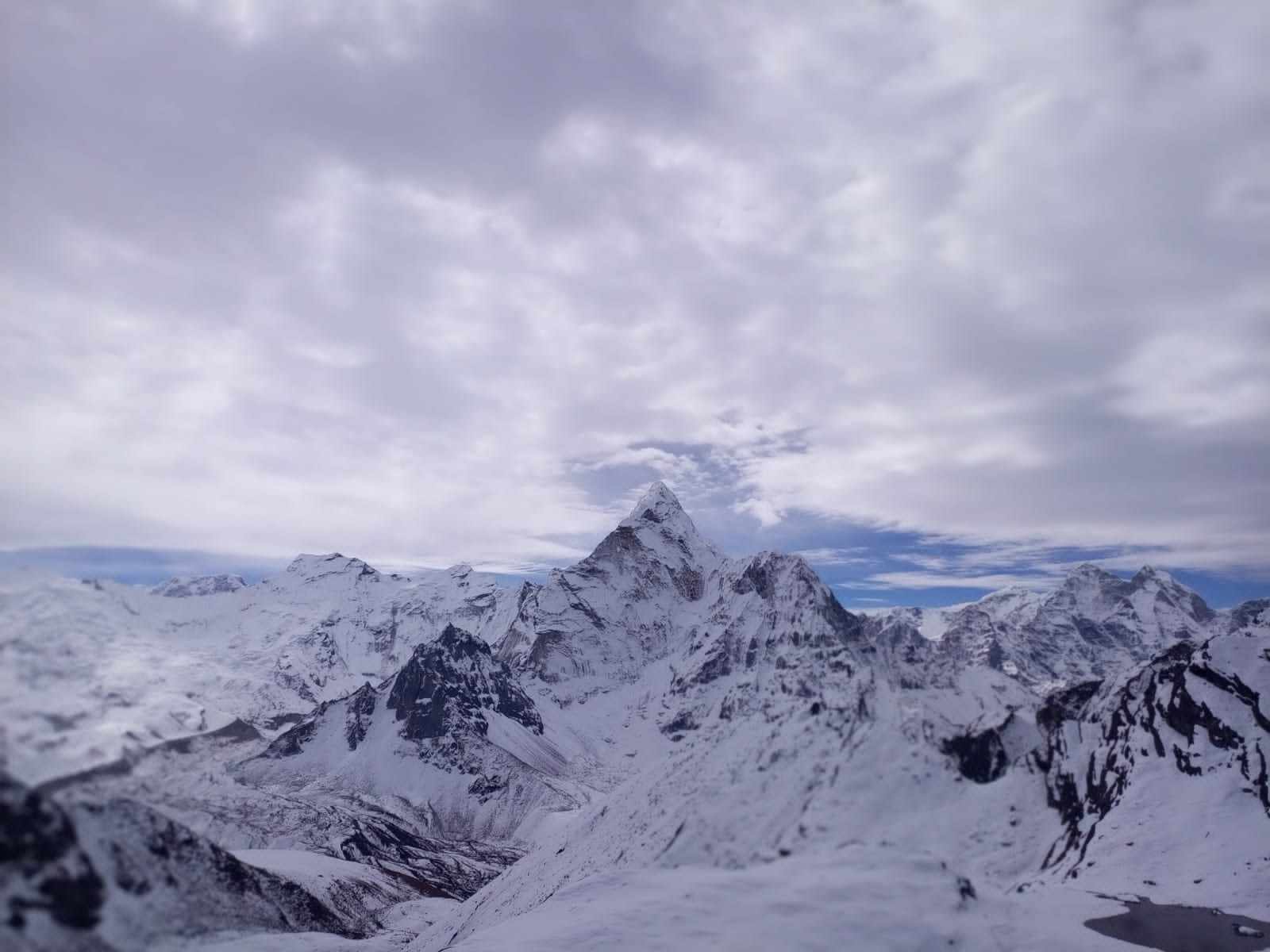
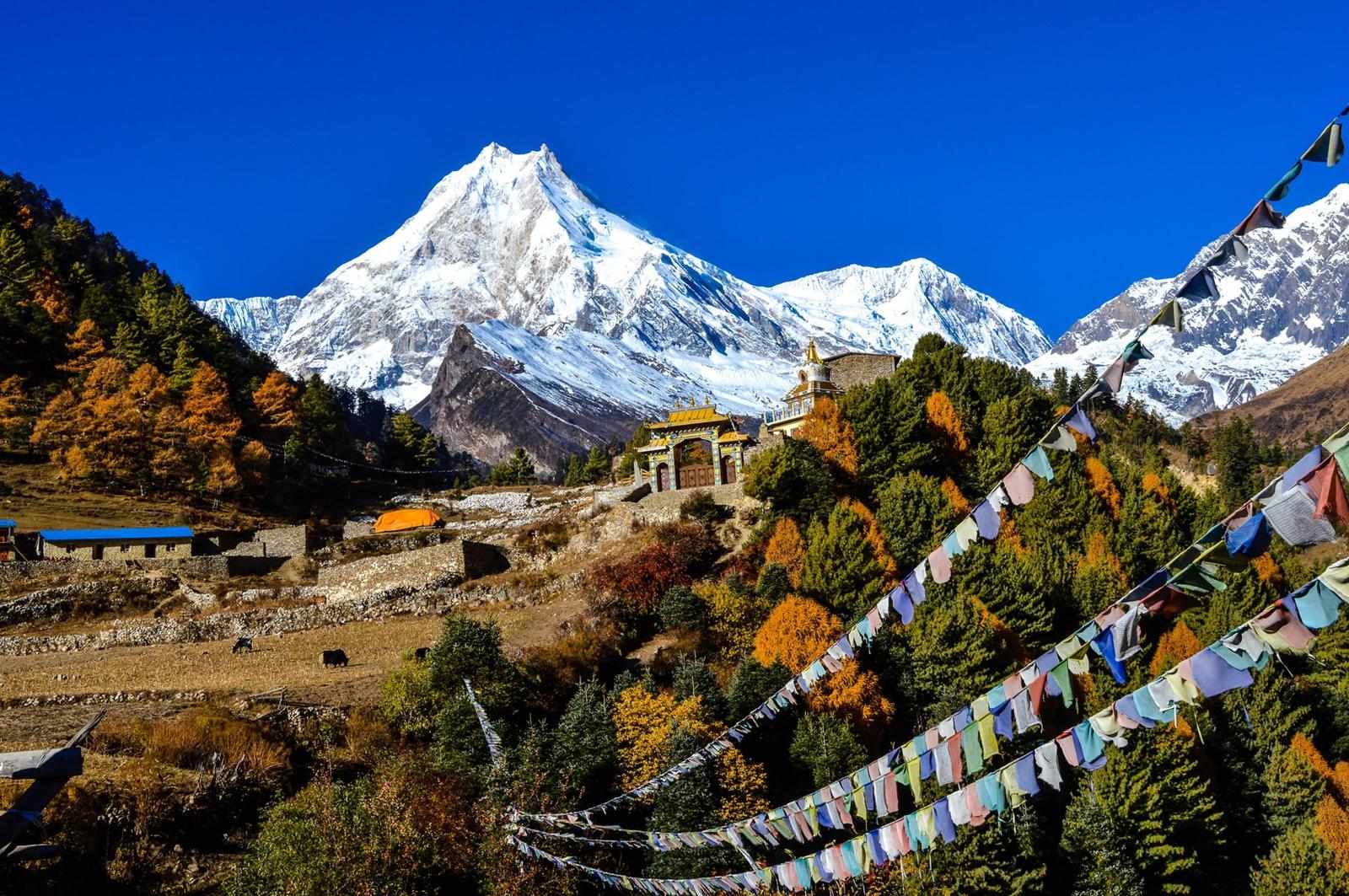
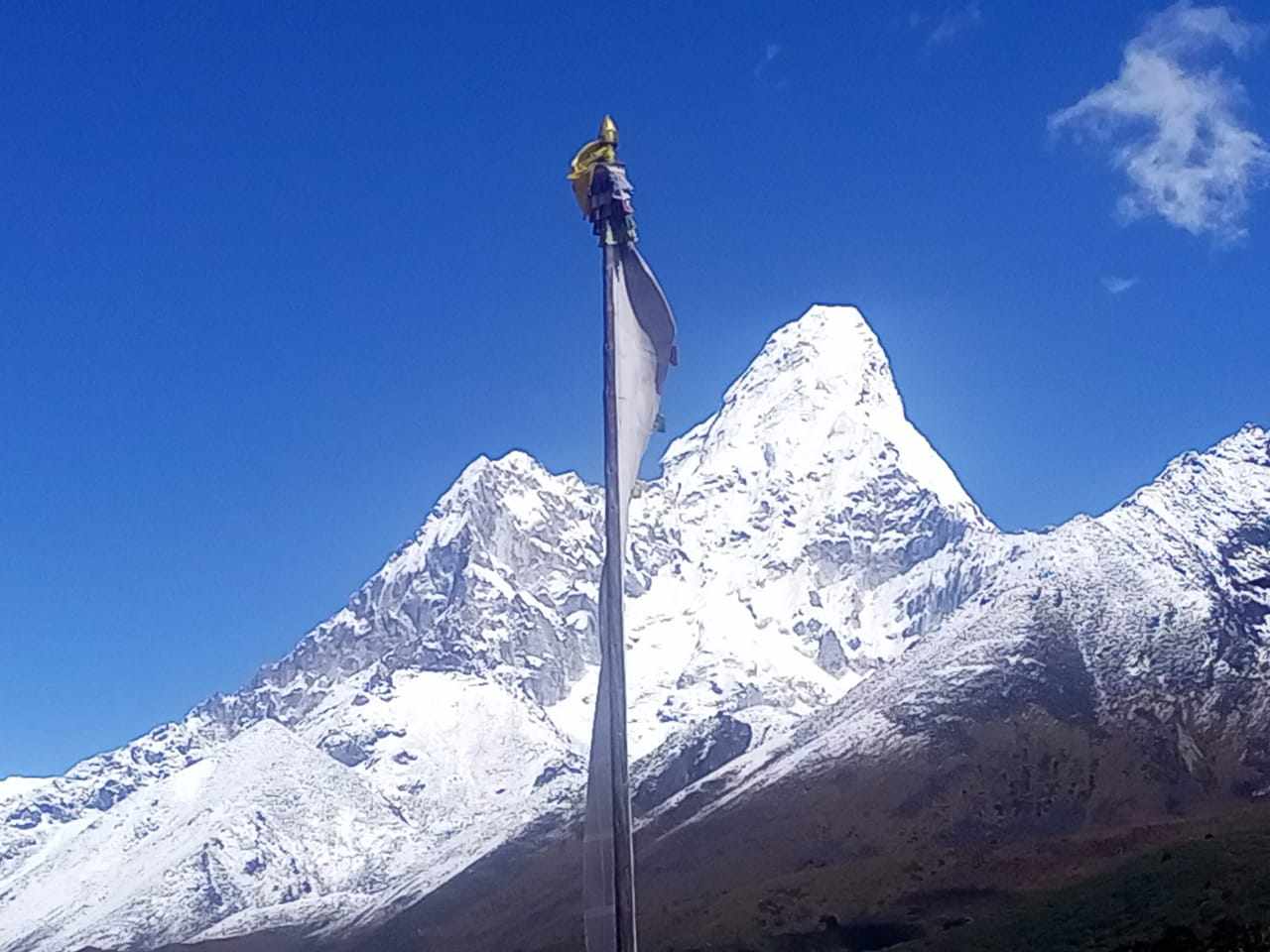
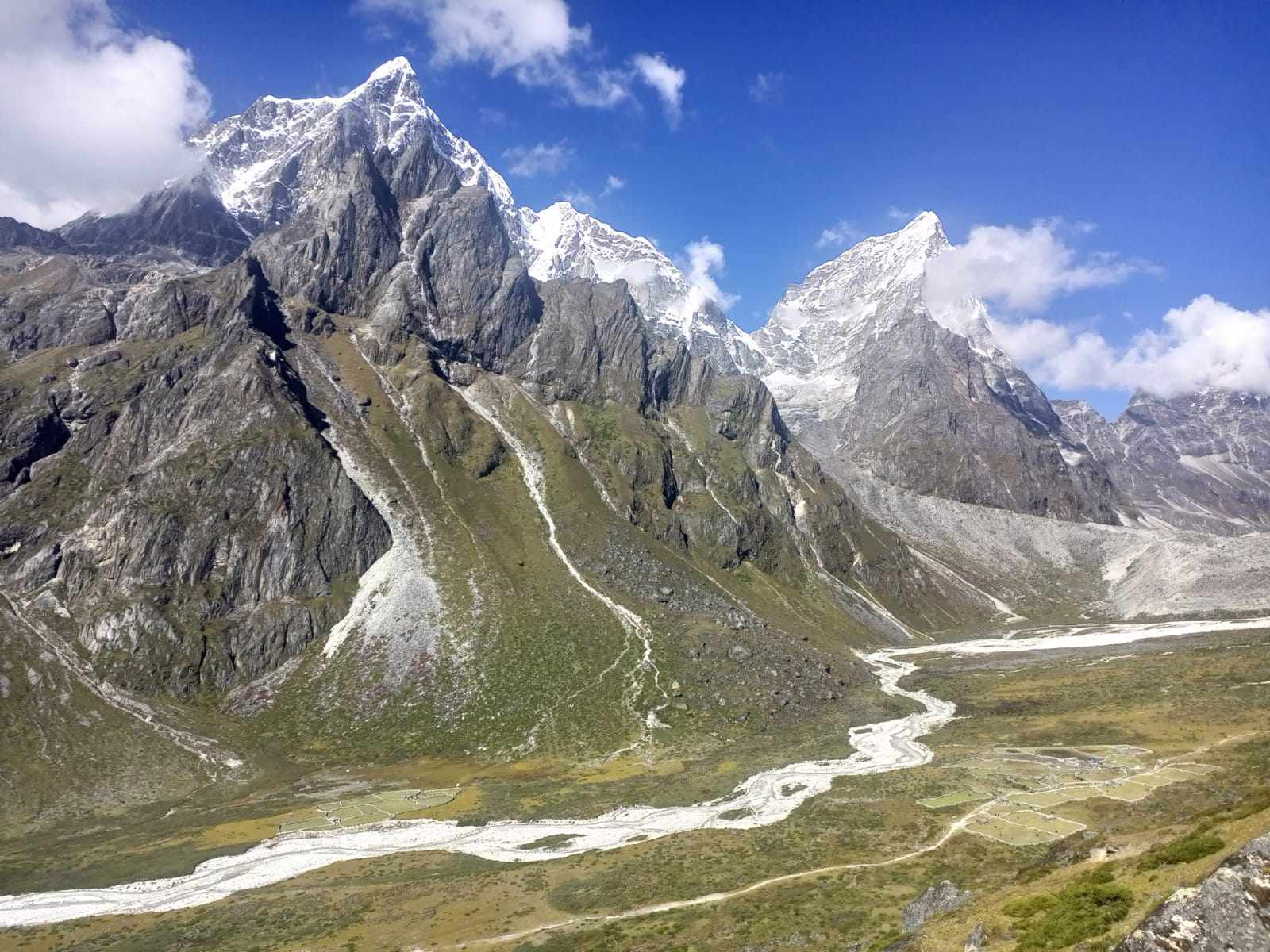
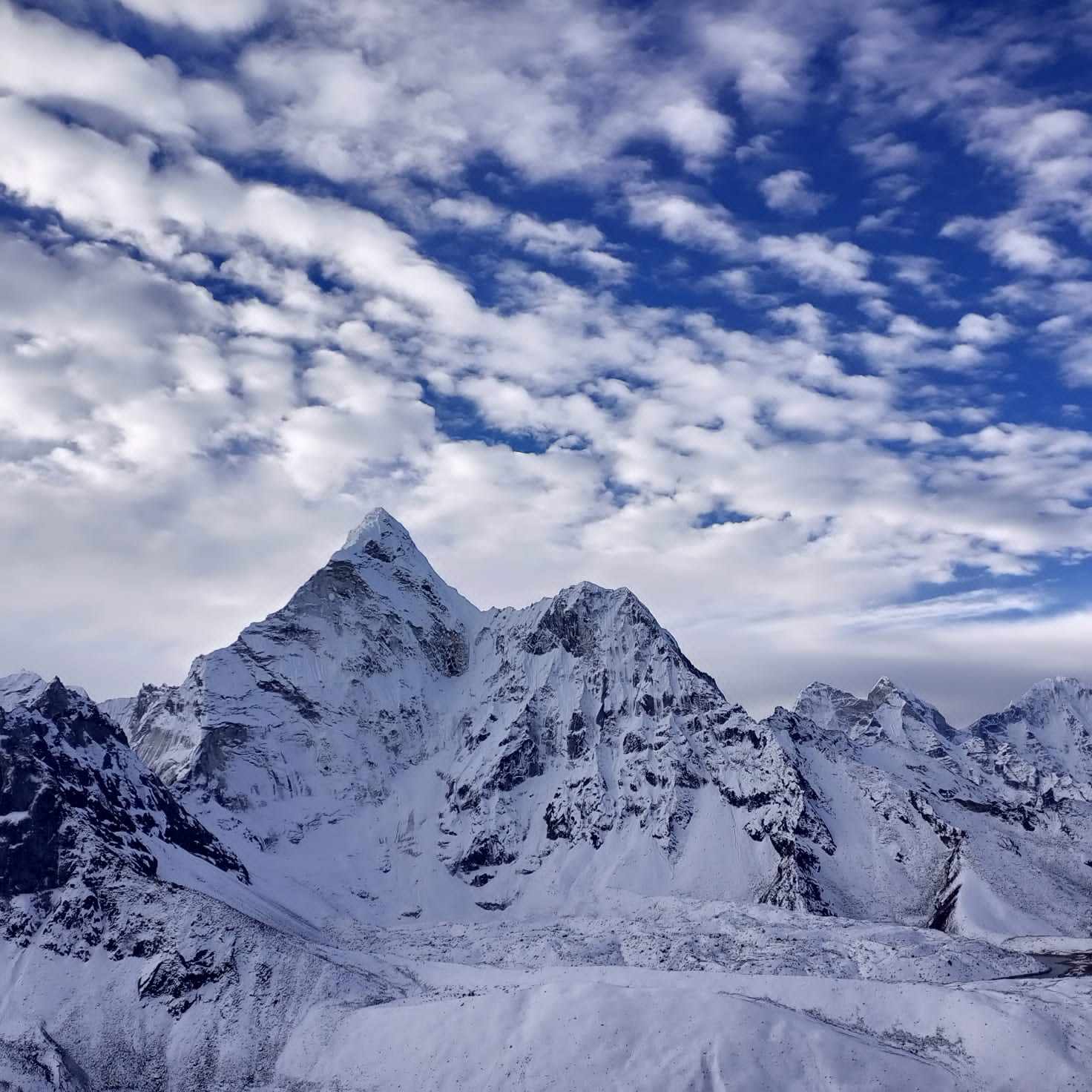
Jaw-dropping views are par for the course at both Langtang Valley and Gosaikunda Lake. In Langtang, Kyanjin Gompa has 360-degree views of Langtang Lirung and its glacier discipline. Amongg Laurebina and Gosaikunda, you get a first-rate view of Ganesh Himal, Langtang Lirung, and others. Photography is best with early morning or late afternoon light. The trekkers should schedule short side hikes to viewpoints and along the shores of lakes where they can record the changing colors or reflections, creating a combined trek that is visually stunning.
Accommodations and Teahouse Logistics
In each direction,n teahouses and hiking inns offer basic lodging, food, and other amenities. Not unusual stops at the Langtang Valley are Lama lodge, Langtang Village, and Kyanjin Gompa. The Gosaikunda is a more straightforward route, specifically across Laurebina La and alongside the lake, so bring warm clothes, additional layers for sleeping,g and personal supplies. It's not always necessary to book accommodation, but during the busiest trekking seasons (spring and autumn) booking ahead guarantees you a bed, is more comfortable, le and less stressful.
Cultural Experiences Along the Trek
If connecting Gosaikunda Lake and Langtang Valley, the diversity of culture is widely varied. Langaccommodatesdates the Tamang and Sherpa villages, local homes, monasteries, and festivals, which can be visited.
Valuing local traditions, dressing respectfully, and asking permission to take photos only enhances the cultural practice of travel and makes a statement in ethical tourism. Interacting with villagers offers a glimpse into the lives of Himalayan people and their spiritual practices.
Weather and Seasonal Preparedness
There are also significant seasonal variations in both areas of Langtang and Gosaikunda. Clear skies, stable weather, and blooming rhododendrons can be expected during spring (March to May) or autumn(September to November), the best season for a joint trek. In monsoon: heavy rains, slippery trails and leeches; in winter: snow (temperatures are below zero) - and no facilities. Bring compressed waterproof gear, multiple layers of clothing, trekking poles, and footwear. It's best to have the local weather reports checked and a flexible trip plan for doing safe trekking until completion.
Hiring Guides and Porters
Since it isn’t a pushover to combine two high-altitude treks in Rupin Pass and Kuari Pass together, it is strongly advised to go along with a seasoned local guide. Guides experienced in both Langtang Valley and Gosaikunda Lake are complete with route information, know the permit process, book the teahouse lodge, and help with acclimatization.
Porters are to be hired to alleviate the burden of carrying heavy tools, leaving them with stamina for hard ascents, such as the Laurebina pass. In addition, hiring neighborhood guides and porters enables holding trekkers safe whilst strengthening the neighborhood financial system and improving your overall hiking experience.
Final Thoughts
Combining the Gosaikunda Lake with the Langtang Valley Trek creates a superb mixture of nature, spirituality, and lifestyle. right planning, acclimatization, and close by help can help trekkers move adequately via the immoderate passes, visit alpine lakes, and revel in rural Himalayan lifestyles.
From the glacier rivers and rhododendron forests of Langtang to the holy waters and perspectives of Gosaikunda, this two-in-one trek can provide a dazzling Himalayan experience. Cautious making plans, attention for nearby culture, and admiration for the surroundings are key to accomplishing the best journeys on both treks while producing a more effective experience that reaches beyond simply the mountains.

Write a comment ...